
Lakewood Ranch · Sarasota County
Backflow Testing and Prevention in Lakewood Ranch
Lakewood Ranch has two water systems side by side in many neighborhoods: drinking water for the house, and reclaimed water for lawns and landscaping. Backflow preventers are what keep those systems, along with pools, boilers and commercial equipment, from contaminating the public supply. TK Plumbing tests, repairs and installs these devices for homes and businesses.
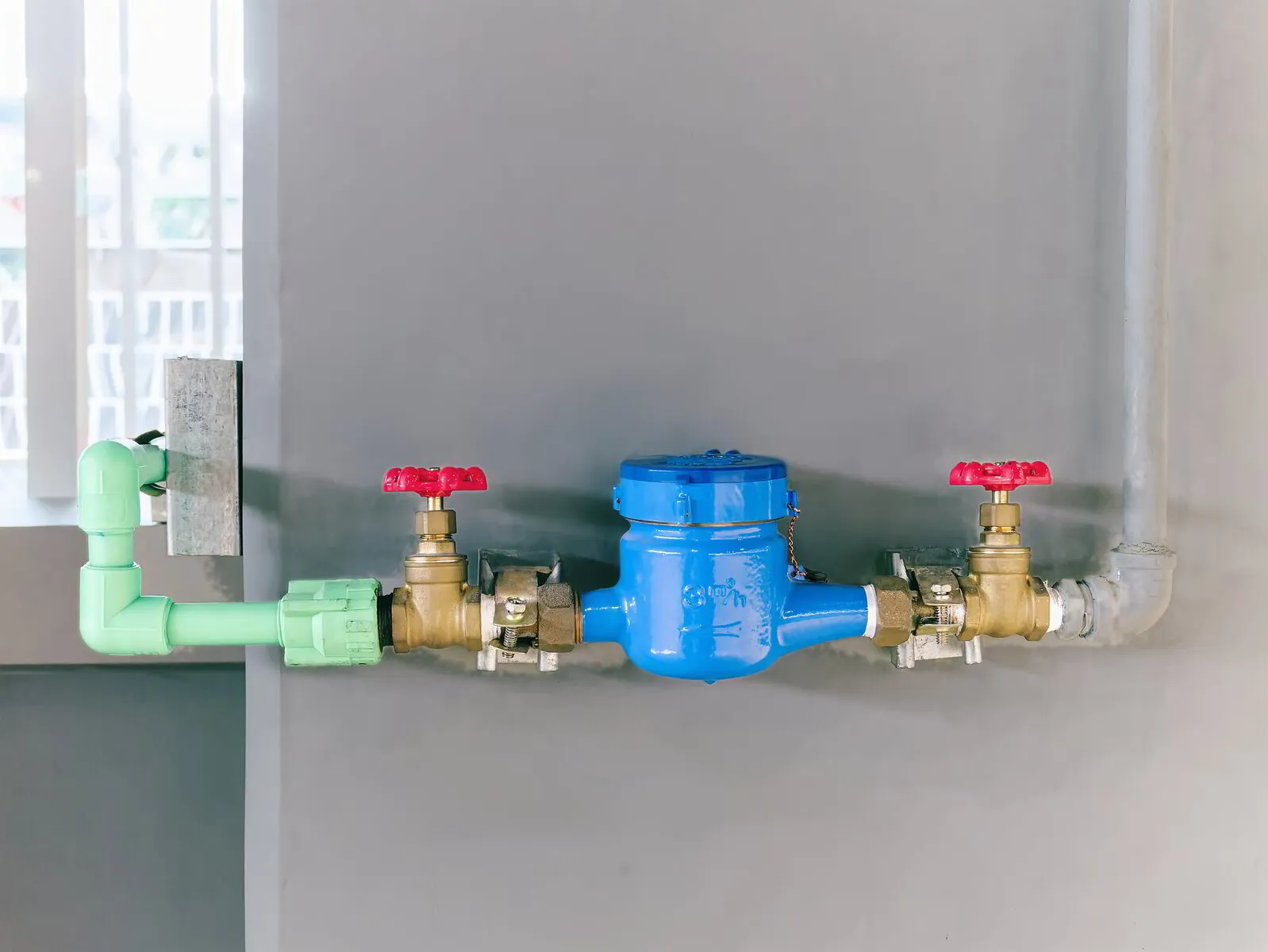
What backflow means in plain terms
Water is supposed to flow one way: from the utility main into your property. Backflow happens when pressure changes cause it to reverse. A water main break or heavy firefighting draw nearby can drop pressure and siphon water backward out of buildings. Higher pressure inside a property, from a pump or boiler, can push water back toward the main.
If that reversed water has touched fertilizer, pool chemicals, irrigation water or process equipment, it can carry contaminants into the drinking supply. A backflow preventer uses check valves and relief ports to block that reverse flow, and testing confirms the internal parts are still sealing.
Why reclaimed water raises the stakes here
Large parts of the community irrigate with reclaimed water, which is treated wastewater suitable for landscaping but not for drinking. It runs in separate lines, usually marked with purple pipe, valve boxes or sprinkler components. Where reclaimed water is available, utilities typically require protection on the potable service to guard against any cross-connection between the two.
A cross-connection can happen more easily than people think. A landscaper might tie a hose bib into the wrong line, or a homeowner might add a spigot to an irrigation pipe. A properly installed and working backflow device is the last line of defense if that happens. Requirements for residential devices differ between utility service areas, so we check what applies to your address.
Who usually needs annual testing
When a utility requires testing, it typically sends a notice with a deadline. Missing that deadline can lead to follow-up notices and, in some cases, interruption of service. Keep each test report with your property records.
- Restaurants, medical offices and businesses along the commercial corridors
- Office and industrial buildings in the community's business parks
- Properties with fire sprinkler systems tied to the water supply
- HOA amenity centers, clubhouses and pool facilities
- Homes with potable irrigation systems or booster pumps that require a device
- Any property that received a testing notice from its water utility
The test, step by step
A certified tester attaches a calibrated gauge to the device's test ports, shuts the appropriate valves, and measures the pressure across each check valve and relief valve. The process briefly interrupts water to the protected line, so we coordinate timing with businesses to avoid disrupting service hours.
Results are recorded and submitted in the format the utility requires. If the device passes, you are set until the next cycle. If it fails, we explain which component did not hold.
Property managers who oversee several buildings can ask us to keep a list of device locations and test dates, which makes the next cycle easier to plan and helps new board members or staff find the paperwork.
Repairs and new installations
Failed devices often need new rubber parts, springs or seals, which can be replaced in the field. Debris from new construction or water main work in the area sometimes lodges in check valves and causes a failure that cleaning resolves. Assemblies that are badly corroded, frozen during a rare cold snap or simply worn out may need replacement.
For new installations, the device type depends on the hazard level and local requirements. Placement matters too; in an HOA community, a large assembly near a front walkway may need a screening plant or enclosure that meets association guidelines while keeping test ports accessible. After any repair or new installation, we retest so the paperwork reflects a passing device.
Lakewood Ranch questions
My home uses reclaimed water for irrigation. Do I need a backflow preventer?
Many utilities require protection on homes with access to reclaimed water, often installed at the meter. Whether you must test it yourself depends on your service area. Check any utility notices you received, or call us and we will help you find out.
Can I put a cover over my backflow device so it looks better?
Yes, insulated covers and landscaping screens are common, and they can help with HOA appearance standards. The device must stay accessible for testing and repairs.
Can you test devices for an entire HOA or commercial center?
Yes. We can schedule multiple devices at one property and coordinate with the manager so testing and paperwork happen together.