
Nokomis · Sarasota County
Backflow Testing and Prevention in Nokomis, FL
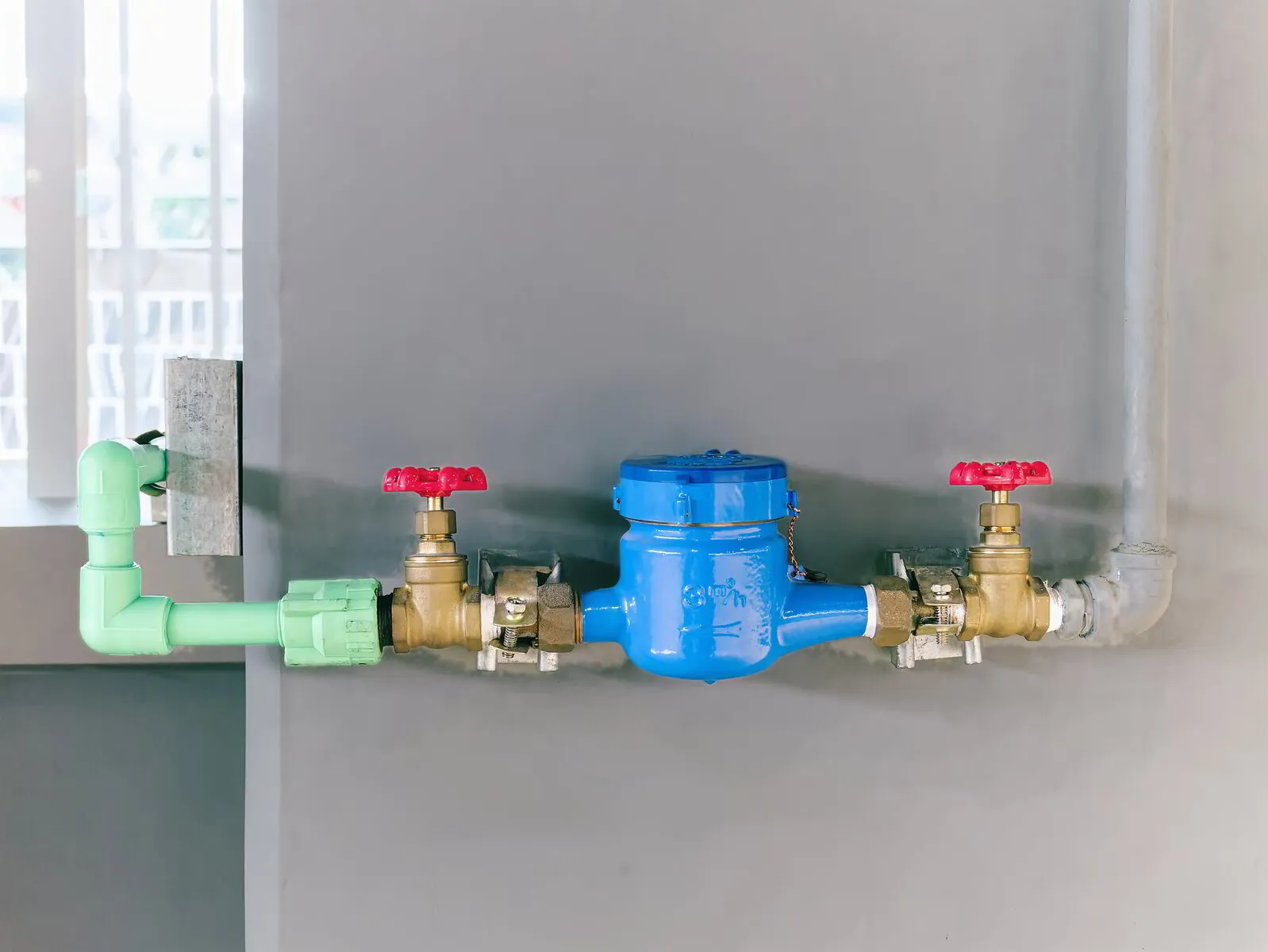
A backflow preventer is a valve assembly that keeps water from your property from flowing backward into the public supply. Many Nokomis homes with irrigation, fire lines or a reclaimed connection have one near the meter, and nearly every commercial property does. TK Plumbing tests, repairs and replaces these devices and handles the paperwork that comes with them.
What backflow is, in plain terms
Normally, water pressure in the street main pushes water into your house. If that pressure drops suddenly, from a main break or firefighters opening a hydrant down the road, water can be siphoned backward. If a garden hose is sitting in a bucket of fertilizer, or an irrigation line is soaking in a flooded yard, that dirty water could be pulled into the drinking supply.
A backflow preventer is a set of check valves and relief ports that stops that from happening. Because the parts are mechanical, they wear and need testing to prove they still work.
Who in Nokomis typically needs one
Your water provider decides which properties need a device and how often it must be tested. If you receive a test notice, the due date and the reporting requirements are on that letter.
- Homes with in-ground irrigation connected to the potable water supply
- Properties with a well or a reclaimed water connection on site in addition to utility water
- Restaurants, medical and dental offices, salons and other businesses on US 41 and nearby
- Condominium buildings and HOA common areas with pools, fountains or fire systems
- Marinas and boat facilities along the Intracoastal with dockside water
How a test is performed
A certified tester connects a differential pressure gauge to the test ports on the assembly. Water to the property is shut off briefly while each check valve and the relief valve are tested against set pressure differences. The whole process usually takes a short visit, and normal water service is restored as soon as it is complete.
If the device passes, the results are recorded and submitted as required. If it fails, the technician explains which component did not hold and quotes a repair or a replacement in writing.
Why devices fail on the coast
Most residential backflow assemblies sit outdoors next to the meter, exposed to sun, sprinkler spray and salty air. Brass bodies and bolts corrode, rubber seals harden and crack, and debris in the line can hold a check valve slightly open. Hard water deposits build up on springs and seats. Assemblies near the bay and on Casey Key take more abuse from the salt than ones inland.
Freezes are rare here, but devices can still be damaged by lawn equipment, vehicles and hurricane debris. An insulated cover protects the assembly from sun and physical damage and makes it less of a target for theft of the brass.
Repair or replace?
Many failures are fixed with a rebuild kit: new seals, springs and check discs. If the body is cracked, badly corroded or the model is obsolete and parts are not available, replacement is more practical. Either way the device is retested afterward to confirm it passes.
Some homeowners discover during a test that their assembly is buried in shrubs or sitting below grade where sprinkler water pools around it. Relocating or raising it during a replacement makes the next test easier and keeps the test ports out of the dirt. For homes with simple hose connections, inexpensive hose bib vacuum breakers add another layer of protection at the spigot, and they are worth fitting on any outdoor faucet used with a fertilizer sprayer or a pool fill hose.
Nokomis questions
I got a letter saying my backflow test is due. What do I do?
Call 941-392-3846 with the letter handy. We schedule the test, perform it, and handle submitting the results where required. If the device fails, you get a written quote for the repair.
Will my water be off during the test?
Only briefly. Water to the property has to be shut off while the valves are tested. For businesses, we can schedule outside operating hours.
My sprinkler system has a backflow device. Do I really need to test it if it seems fine?
A device can look perfect from outside and still fail internally. Testing is the only way to know it is protecting the water supply, and your provider may require it on a schedule.