
Osprey · Sarasota County
Backflow Testing and Prevention in Osprey, FL
If an envelope from the water provider has landed in your Osprey mailbox asking for a backflow test, you are not alone. Irrigation systems, pool fill lines, fire sprinklers and many commercial connections are fitted with backflow assemblies that need periodic testing. TK Plumbing performs the test, makes repairs when a device fails, and installs new preventers where they are needed.
What backflow is, in plain terms
Water in the public system is under pressure and flows one way, toward your house. If that pressure drops, for example when a main breaks or firefighters draw heavily from a hydrant, water can be pulled backward out of a home or business. Anything connected to the plumbing at that moment, like fertilizer in an irrigation line or chemically treated water in a pool or boiler, could be drawn into the drinking water supply.
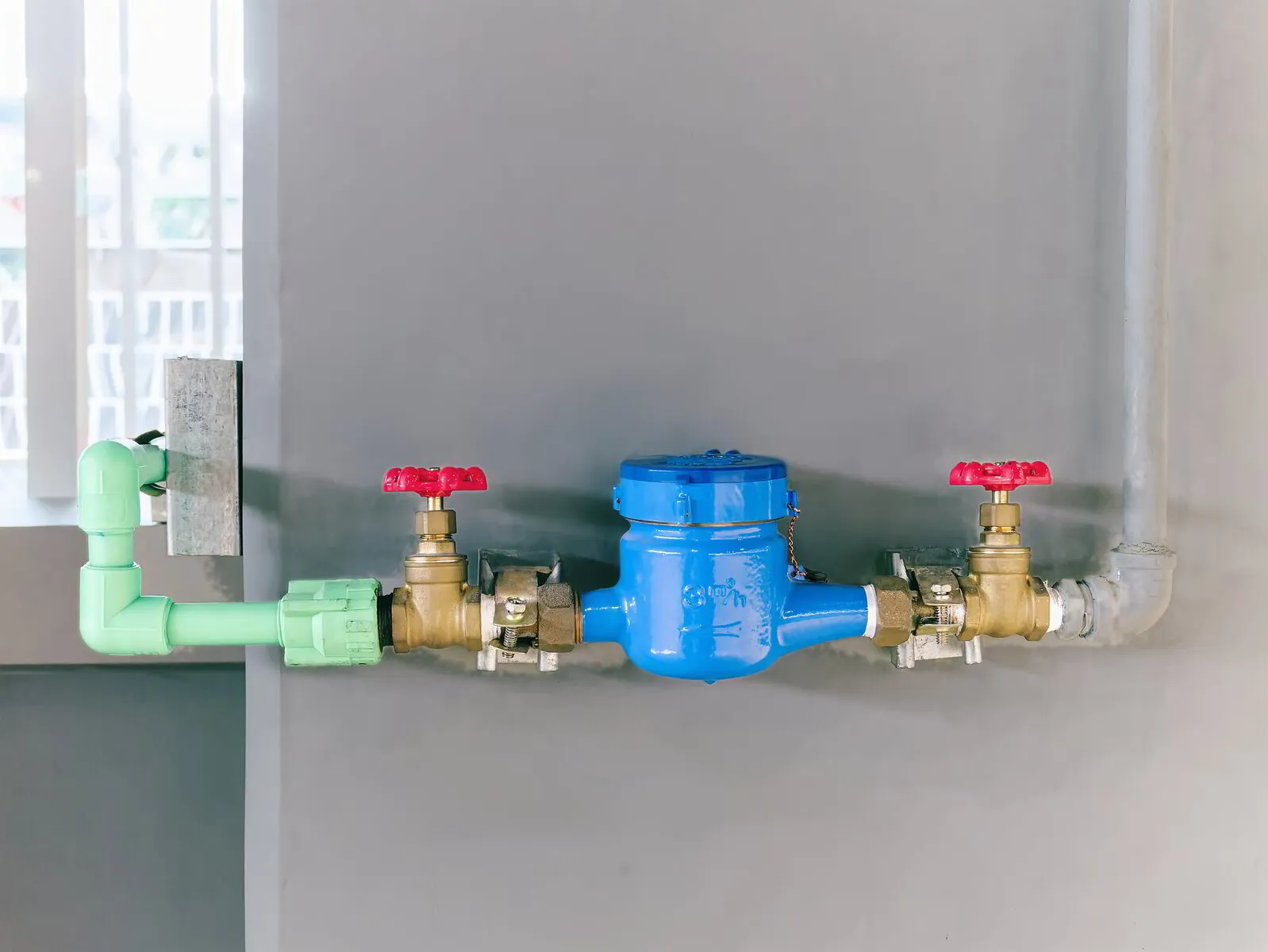
A backflow preventer is a set of check valves that only lets water travel one direction. Because its springs and rubber parts wear out, it has to be tested on a schedule to prove it still works.
Where you find them around Osprey
- Lawn irrigation connected to potable water, common across inland subdivisions
- Pool autofill lines, where the connection to the city supply could otherwise siphon pool water back
- Fire sprinkler risers in condominiums, clubhouses and commercial buildings
- Restaurants, medical and dental offices, and other businesses along the US-41 corridor
- Marinas, boat lifts and wash-down stations near the bay
- Homes with a second water source, such as a well used for irrigation
How a test works
Using a calibrated test kit attached to the assembly's test ports, we close and open the valves in a set sequence and read the pressure differences across each check. Those readings show whether the checks hold tight and whether the relief valve, on assemblies that have one, opens when it should. The test takes the water off briefly, so plan for a short interruption. Results go on the form your water provider requires.
If the device fails, the usual culprits are worn rubber parts, debris lodged in a check seat or a cracked body. Rebuilding the internals is often possible. When the assembly is old, damaged or the wrong type for the hazard, replacement is the better choice.
Salt air and outdoor assemblies
Most residential backflow preventers sit above ground next to the house or at the edge of the lawn, exposed to sun, sprinkler overspray and, in Osprey, a steady dose of salty air. Bronze bodies hold up reasonably well, but bolts, test cocks and shutoff handles can corrode until they are hard to operate. Insulated covers protect against the occasional cold snap and keep debris out, and a lockable cage discourages theft of the bronze.
Before installing a new assembly, think about where it will live. It should be reachable for the yearly visit, set above the ground so the relief port can discharge freely, and kept out of the path of mowers and string trimmers. Moving a poorly placed device is a common part of our replacement work, and doing it once saves trouble at every future test.
For HOAs and property managers
Associations in gated communities often manage dozens of irrigation and common-area connections, each with its own due date. Testing them in a single scheduled visit keeps paperwork in one place and avoids a string of overdue notices. We can work from your list of devices and note any that need repair so the board can approve the work.
Backflow questions in Osprey
How often does my Osprey backflow preventer need testing?
Your water provider sets the schedule and the notice it sends will say when the test is due. For many assemblies it is a yearly requirement. Testing after installation or repair is also standard.
What happens if I ignore the test notice?
Providers can follow up with reminders and, eventually, may restrict service to the connection. Scheduling the test is much simpler than resolving a compliance issue later.
My irrigation backflow is dripping. Is that a problem?
A small discharge from the relief valve during pressure changes can be normal, but steady dripping usually means a check or the relief valve is not sealing. It should be tested and repaired.
Can a new backflow preventer be moved when I redo my landscaping?
Yes. Relocating an assembly means rerouting the irrigation supply a short distance and testing the device again once it is reinstalled. Tell your landscaper early so the new location stays accessible and above grade.