
Parrish · Manatee County
Backflow Testing and Prevention in Parrish, FL
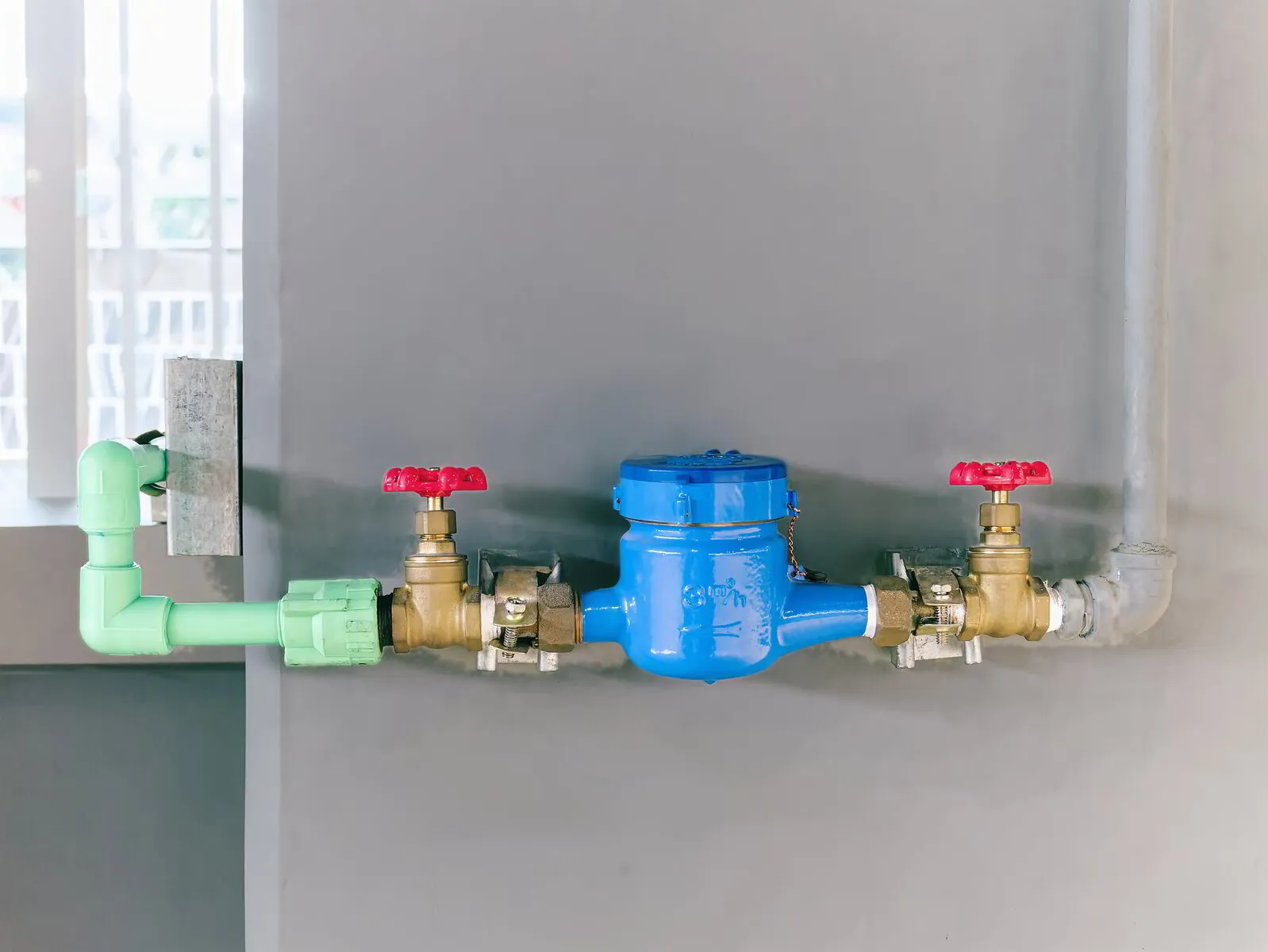
Parrish's mix of new irrigated lawns, rural wells, pools and working farmland creates plenty of places where dirty water could flow the wrong way into a drinking-water line. A backflow preventer is the device that stops it. TK Plumbing tests those devices, repairs the ones that fail and installs protection where it is missing.
What backflow is, in everyday terms
Normally, water moves one direction: from the supply into your house, sprinklers or equipment. Backflow happens when pressure drops on the supply side, for example during a main break or heavy firefighting demand, and water is pulled backward. It can also happen when a pump or a pressurized system pushes harder than the supply.
If an irrigation line connected to your potable water is in that path, lawn fertilizer, pesticide residue and stagnant water could be siphoned into the pipes that feed your kitchen. A tested, working backflow assembly prevents that.
Where you will find these devices around Parrish
- Irrigation systems in the newer subdivisions, usually a brass assembly near the front of the house
- Homes with a well for irrigation and county water for the house, where the two must never cross
- Pool and spa fill lines, plus boilers or water treatment equipment
- Restaurants, medical offices, car washes and retail along the US-301 corridor
- Farm, nursery and livestock operations that inject fertilizer or chemicals into water lines
- Community amenity centers with pools, splash areas and landscape irrigation
Testing requirements and paperwork
Water utilities in Florida run cross-connection control programs, and in Manatee County that generally means certain backflow assemblies must be tested on a regular schedule and the results reported. Which properties are included and how often depends on the type of device and the hazard it protects against. If you received a notice from the utility, or your HOA has asked for proof of testing, that letter is the authority on your deadline.
During a test we use a calibrated gauge to check each valve and relief port on the assembly. If it passes, we record the results for submission. If it fails, we explain which part failed and give you a written price to repair or replace it.
Rural properties need extra thought
Older parcels around Parrish sometimes have a patchwork of water sources added over time: a well for the house, a second well for the barn, maybe a county connection added later. Hoses into stock tanks, chemical sprayers filled from a spigot and irrigation tied into the house line are all cross-connection risks.
If you have both a well and a public water connection, make sure the two systems are physically separated or protected by an approved device. We can walk the property, point out cross-connections and recommend the right protection, whether that is a simple hose-bib vacuum breaker or a full assembly.
Repairs and new installations
Backflow assemblies sit outdoors, exposed to sun, rain, lawn equipment and the occasional freeze, and their rubber parts wear out. Common repairs include replacing check-valve springs and seats, relief-valve diaphragms and shutoff valves. If an assembly is damaged, outdated or the wrong type for the hazard, replacement is usually the better choice.
For new irrigation systems, pools or commercial build-outs, we install the type of assembly the hazard calls for, set at the correct height and orientation, and make it ready for its first test.
Parrish questions
How do I know if my Parrish home needs a backflow test?
Check for a notice from your water utility or HOA, and look for a brass assembly near your irrigation lines. If you have one and are unsure of the schedule, call us or the utility and we can help sort it out.
I have a well and county water. Do I need backflow protection?
If the two systems connect anywhere, yes. Even if they seem separate, it is worth having a plumber verify there are no cross-connections, especially on irrigation and outdoor spigots.
What happens if my backflow device fails the test?
We tell you which part failed and provide a written quote to repair or replace it. Once fixed, the assembly is retested and the passing results can be submitted.
Can I test my own backflow preventer?
No. The test has to be done by a certified tester with calibrated equipment, and the results are reported on the utility's form. You can help by keeping the assembly visible and free of shrubs, mulch and fire ants so it is easy to reach on test day.