
Venice · Sarasota County
Backflow Testing and Prevention for Venice, FL Homes and Businesses
If you received a notice from your water provider saying a backflow test is due, or you are adding irrigation, a pool fill line or a commercial kitchen, you need a working backflow preventer and someone qualified to test it. TK Plumbing tests, repairs and installs these devices throughout Venice and explains what the results mean.
What backflow is, in plain terms
Normally, water flows one way: from the utility main into your home or business. Backflow happens when that flow reverses. A water main break, heavy firefighting demand or a sudden pressure drop can create a siphon that pulls water backward out of your plumbing. If a hose is sitting in a pool, a sprinkler head is under a puddle of fertilizer, or a boiler is connected to the supply, contaminated water can be drawn into the drinking water system.
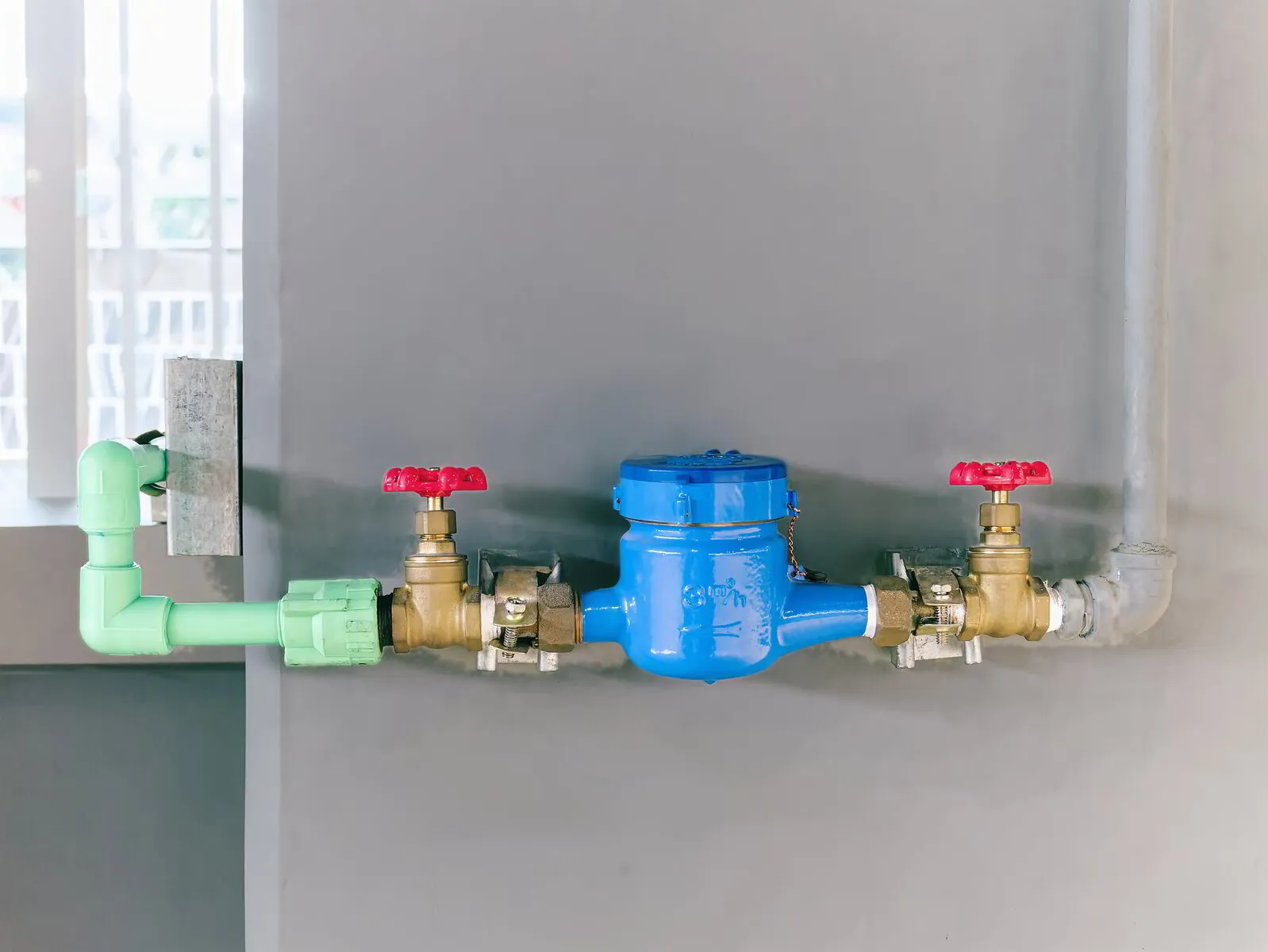
A backflow preventer is a valve assembly that only lets water move forward. Inside are spring-loaded checks and, on some types, a relief valve that dumps water if the checks fail. Over time, debris, mineral scale and worn rubber can keep those parts from sealing, which is why periodic testing is required.
Where you find them around Venice
- Lawn irrigation systems connected to potable water, which are very common in single-family neighborhoods
- Pool and spa auto-fill lines
- Restaurants, medical offices, salons and other businesses along the main commercial corridors
- Condo and HOA buildings with fire sprinkler connections or shared irrigation
- Homes with a well or a reclaimed water connection in addition to municipal water
Testing requirements
Water providers in the area require backflow assemblies to be tested on a regular schedule, commonly once a year, and the results submitted by a certified tester. The exact rules and deadlines depend on whether your property is served by the city or the county and what kind of connection you have. Your utility notice is the authoritative source for your due date. Missing it can lead to penalties or interruption of service, so it is better not to let the letter sit on the counter.
For seasonal residents, it helps to schedule the test while you are in town, or arrange access through a property manager. The device is usually outdoors near the meter or the irrigation controller, so you do not always need to be home.
What happens at the test
The tester connects gauges to the test ports on the assembly and checks that each internal valve holds the pressure it should. The water is briefly shut off during the test. If the device passes, the results are recorded and reported. If it fails, we explain which part failed and give you a written quote to rebuild it with new springs and rubber parts or replace the assembly. Many failures are repaired on the same visit when parts are on hand.
Salt air and Florida sun are hard on devices
Backflow assemblies sit outside year-round. Near the coast, salt air corrodes brass fittings and test cocks, and intense sun breaks down any exposed rubber or plastic components. A cover or insulated bag offers some protection, and keeping irrigation spray off the device helps. If yours is old, corroded or hard to access behind dense landscaping, replacing or relocating it may be worth considering when it next fails.
Venice questions
I got a backflow test notice for my Venice home. Do I have to use the utility?
No. Utilities generally require that a certified tester perform the test and submit the results, but you choose the tester. Check your notice for the deadline and any reporting instructions.
What happens if my backflow preventer fails the test?
It needs to be repaired or replaced and then retested. We explain why it failed and give you a written price. Often the internal parts can be rebuilt instead of replacing the whole assembly.
Can I just turn off my irrigation instead of testing the device?
Shutting the sprinklers off for the summer does not remove the testing requirement while the assembly is still connected to the water supply. If you truly no longer use the irrigation system, ask your provider how to properly disconnect and remove it from their records.
Do I need a backflow preventer for a new pool or irrigation system?
Most connections that could introduce contaminants into the drinking water, such as irrigation or pool fill lines, require a backflow device. We can recommend and install the right type for your setup.