
Lakewood Ranch · Sarasota County
Drain Cleaning Across Lakewood Ranch
Big open kitchens, multiple bathrooms and busy laundry rooms are standard in Lakewood Ranch houses, and every one of them adds a drain that can slow down. Most clogs here are not caused by old pipe; they come from what goes into it. We clear the blockage, show you what caused it, and help you keep it from coming back.
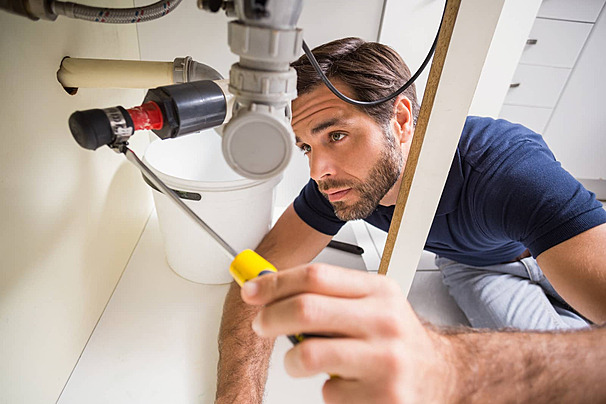
The clogs we see most in this area
Kitchen drains top the list. Families who cook at home, plus guests during the winter season, send grease, rice, coffee grounds and vegetable peels down the sink. Even with a disposal, that material coats the inside of the pipe and narrows it over time. Island sinks, which are common in newer open-plan kitchens, often have longer horizontal runs under the floor, which makes them more prone to slow buildup.
Bathroom clogs come from hair, soap and cosmetic products. Large walk-in showers with linear drains look great but collect hair along their length. Laundry drains can back up when lint and fabric fibers collect, especially in homes where the washer drains into a standpipe tied to a shared line with a nearby sink.
Outdoor summer kitchens on lanais add another sink line that sees heavy use during parties and then sits idle for weeks.
Choosing a method
A cable machine, often called a snake, is the right tool for many single-fixture clogs. It breaks through the blockage and pulls back hair or debris. For grease that lines the whole pipe, a snake only opens a small channel, and the clog returns. Hydro jetting uses high-pressure water to scour the walls and flush the material away, which makes it a better fit for kitchen lines and recurring problems.
When a clog keeps returning or the cause is unclear, a camera inspection shows what is inside the line. Sometimes that reveals a section of pipe that settled, a fitting that was installed poorly, or an object that a cable cannot remove. We explain what we found and give a written price before any work goes beyond the first clearing.
What to skip before we get there
- Do not pour chemical drain openers into a fully stopped drain; they sit in the pipe and can burn whoever opens it next
- Do not keep flushing a toilet that is rising; turn the valve behind it off
- Stop running the dishwasher or washer if a sink or tub is backing up
- Clear the cabinet under the affected sink so the trap is easy to reach
- Note which fixtures are slow and whether the problem started after a particular event
Signs it is bigger than one drain
If a toilet bubbles when the washer drains, or water shows up in the shower when someone flushes, the trouble is likely in the main line rather than a branch. That calls for clearing from the outdoor cleanout and often a camera look at the sewer lateral. Mentioning those symptoms when you call helps us bring the right equipment the first time.
Habits that keep Lakewood Ranch drains open
Wipe greasy pans with a paper towel before washing them. Run cold water while the disposal is grinding and for a few seconds afterward. Use hair catchers in showers and tubs and clean them weekly. Clean the lint trap on the dryer and check the washer drain hose for a screen.
Seasonal residents should run water in every sink, shower and tub when they come back, since dry traps let sewer gas into the house. And if you rent your home out for part of the year, a simple note asking guests not to flush wipes or pour grease saves a lot of service calls.
Lakewood Ranch questions
Why does my kitchen island sink clog more than the main sink?
Island sinks often drain through a longer horizontal run with less slope and a special vent arrangement. Grease and food settle more easily in that kind of line. Regular jetting and careful disposal use help.
Is hydro jetting safe for the pipes in my house?
For the PVC drain lines found in most Lakewood Ranch homes, jetting at the appropriate pressure is safe. We check the line condition first, and if anything looks fragile on camera, we adjust the approach.
My linear shower drain smells. Is that a clog?
It can be hair and soap buildup in the channel, or a trap that has dried out from lack of use. Lift the grate, clean the channel and run water for a minute. If the odor persists, we can inspect it.