
Nokomis · Sarasota County
Water Filtration and Softening Systems for Nokomis Homes
White crust on shower glass, spotty dishes, a faint pool smell from the tap, or a sulfur odor from a private well: Nokomis households deal with all of them. The right treatment depends on where your water comes from and what bothers you about it. TK Plumbing helps you pick a system that solves the actual problem, then installs it properly.
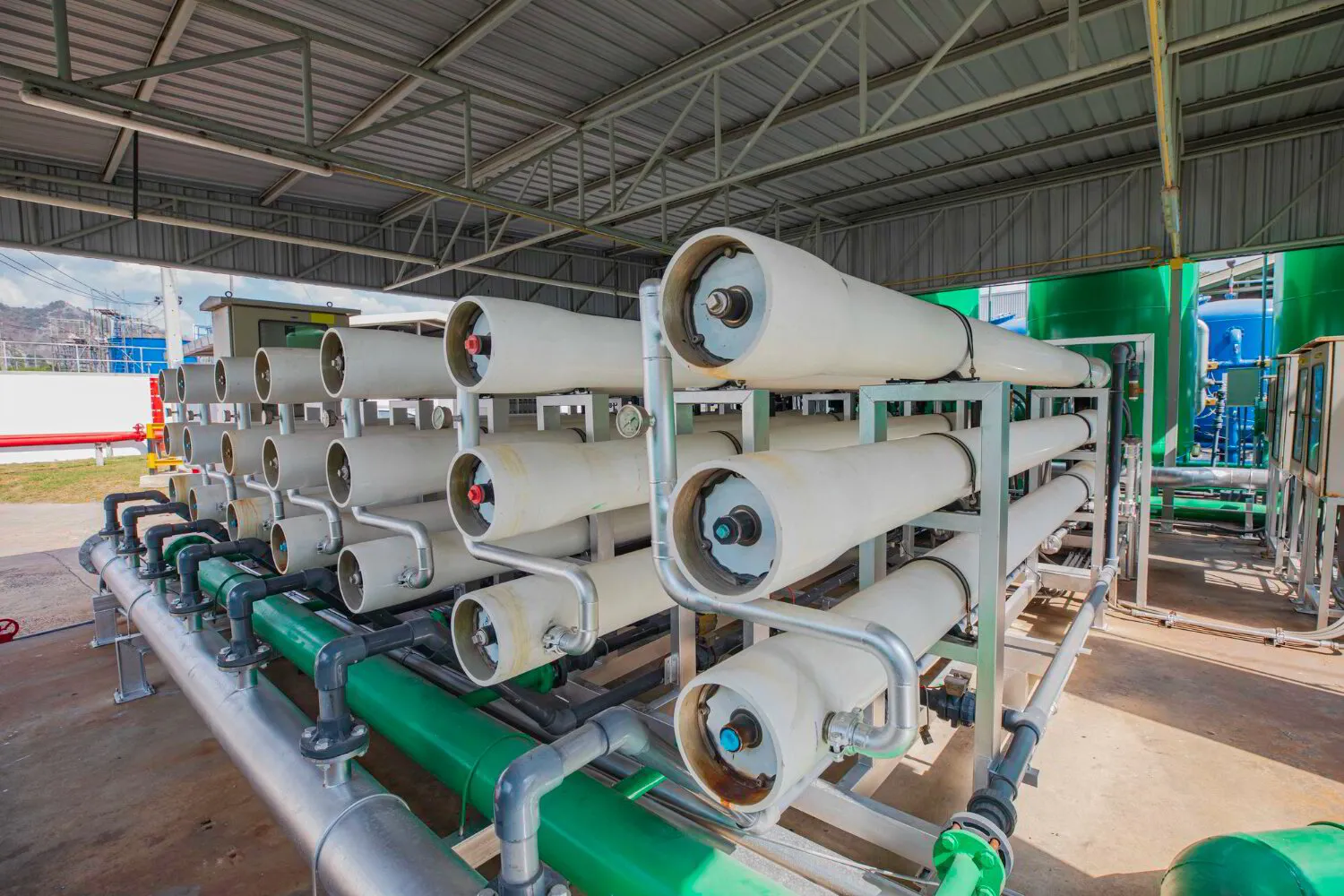
Start with your water source
Most homes in the area receive treated municipal water through the county system. That water is safe to drink, but like most supplies in this part of Florida it carries a lot of dissolved minerals, and it is disinfected, so some people notice a chlorine or chloramine taste.
Some properties, particularly older or more rural parcels farther east, draw from a private well, and many homes use a separate well just for irrigation. Well water here can carry iron, sulfur odor, hardness and sometimes bacteria, and it is the owner's responsibility to test and treat it. A lab test is the right first step for any well used for drinking.
Matching the problem to the equipment
- Scale and spots from hard water: a water softener, or a salt-free conditioner if you want to avoid salt and backwashing
- Chlorine taste and odor: a whole-house carbon filter, sized for your flow rate
- Sediment or sand: a spin-down or cartridge sediment filter ahead of other equipment
- Very clean drinking and cooking water: an under-sink reverse osmosis system with its own faucet
- Rotten-egg smell or orange staining from a well: oxidizing filters or aeration designed for iron and sulfur
- Bacteria concerns in well water: UV disinfection after the other treatment
Why hard water costs more than it looks
Minerals in the water do not just leave spots. They build up inside water heaters, tankless heat exchangers, dishwashers, ice makers and faucet cartridges. A tank heater crusted with scale wastes energy and fails sooner. Shower valves get stiff. Toilet fill valves stick. In a coastal town where salty air already attacks the outside of plumbing, reducing what attacks it from the inside helps the whole system last longer.
Where the system goes and how it is installed
In most Nokomis slab homes, the main water line enters near the garage or an exterior wall, which is where whole-house equipment is placed. Softeners need a drain for backwashing and an electrical outlet, and they should sit out of direct sun. If the garage has no room, an outdoor installation with a protective cover is an option. In manufactured homes, space is tight, and equipment is often mounted outside near the main line with a weather enclosure.
A bypass valve is installed so the system can be isolated for service without losing water. If you want unsoftened water at an outdoor hose bib or the irrigation line, the plumbing is routed accordingly. Under-sink reverse osmosis units fit in most kitchen cabinets and need a small tank, a drain connection and a hole for the dedicated faucet.
Upkeep you should plan for
Every system needs maintenance. Softeners need salt added regularly. Carbon and sediment cartridges need changing on a schedule based on water use. Reverse osmosis membranes and prefilters are replaced periodically. If you are away for months, ask about bypassing the system or flushing it when you return so water does not sit stagnant in the media.
Ask for the maintenance schedule in writing when the system is installed, with the cartridge and membrane part numbers listed. That way whoever looks after the house while you are gone, whether a family member or a property manager, can keep it running the way it was designed.
Nokomis questions
Do I need a softener if I am on county water in Nokomis?
You do not need one for safety, but many homeowners choose one because of the hardness. If scale on fixtures, glass and appliances bothers you, a softener or conditioner addresses it.
My well water smells like sulfur. Can a filter fix that?
Usually, yes, with the right equipment for the concentration. Start with a water test so the system is sized for what is actually in the water rather than guessed.
Is reverse osmosis worth it if I already have a whole-house filter?
They do different jobs. A whole-house carbon filter improves taste and odor at every tap. Reverse osmosis removes far more dissolved minerals and contaminants, but only at the kitchen faucet where it is installed. Many households use both.