
North Port · Sarasota County
Water Filtration in North Port, FL, Matched to City Water or a Private Well
What comes out of a North Port tap depends on where it starts. Homes served by the city get treated water that is safe to drink but often hard and chlorinated. Homes on private wells may deal with sulfur, iron and higher hardness. TK Plumbing tests first, then recommends filtration that fits the water you actually have.
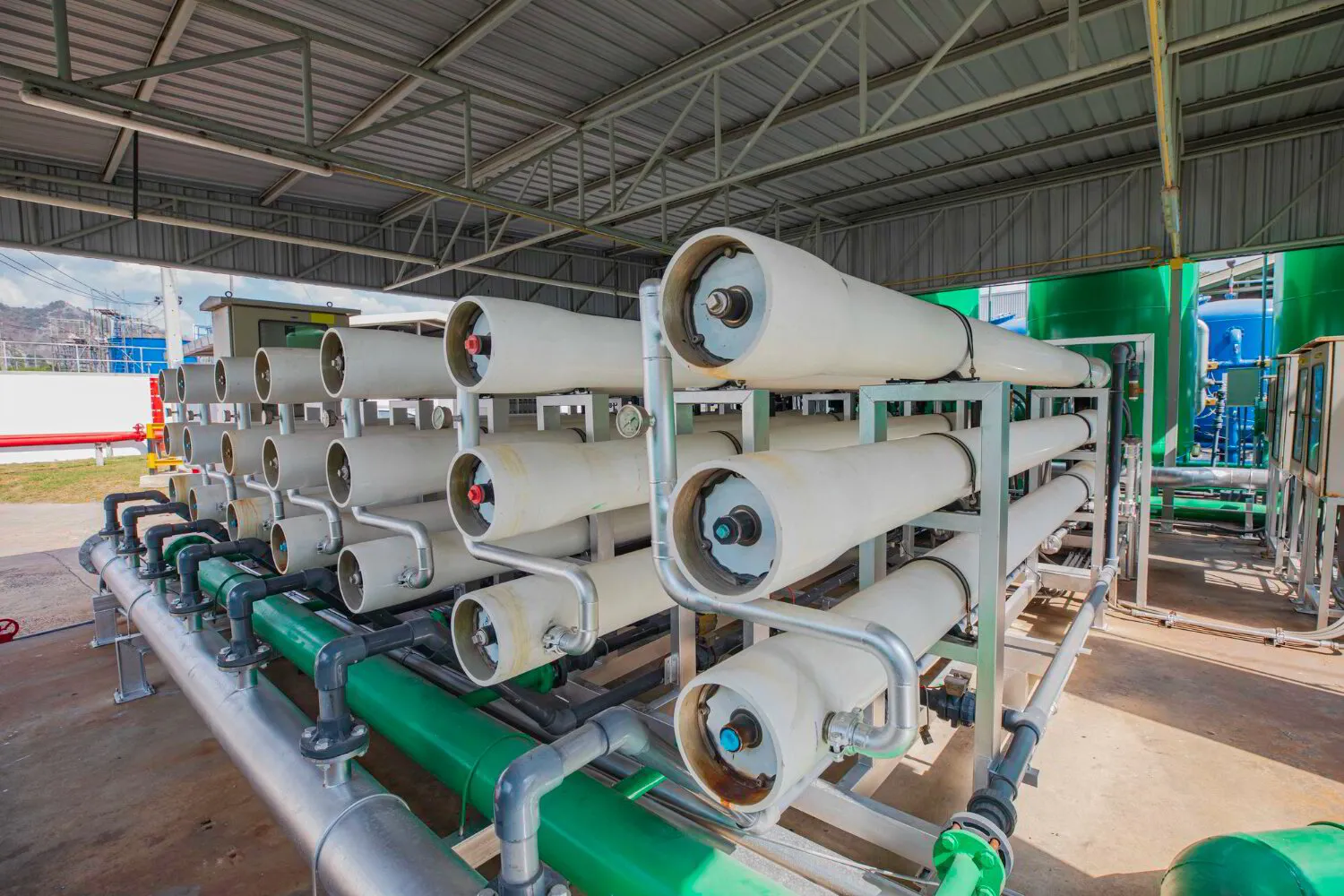
Start with a water test
Buying a filter without knowing what is in the water is guesswork. We test for hardness, iron, pH and other common indicators, and for homes on wells we look at smell and staining as well. The result tells us what to treat and, just as useful, what not to bother with.
Well owners should also have their water tested for bacteria by a certified lab on a regular basis. That is separate from the filtration test and a sensible habit for any private well.
City water in North Port
Public water is treated to meet drinking water standards, but treatment chemicals give it a taste some people dislike, and hardness varies. Typical complaints are white crust on shower doors and fixtures, spotty dishes, dry skin, and a chlorine smell.
A whole-home carbon filter reduces chlorine taste and odor at every tap. A water softener removes the calcium and magnesium that cause scale. Many households combine the two, and some add a reverse osmosis system at the kitchen sink for drinking and cooking water.
Private wells on the edges of town
Wells are common on properties beyond the city's water lines, especially on larger lots. Groundwater in this region frequently carries hydrogen sulfide, which causes a rotten-egg smell; iron, which leaves orange stains in sinks and toilets; and high hardness.
These need specific equipment. Sulfur is often addressed with aeration or oxidation systems, iron with dedicated iron filters, and hardness with a softener installed after the iron treatment so the iron doesn't foul the softener resin. The order of the equipment matters as much as the equipment itself.
Systems we install
Equipment is usually placed in the garage near where the main line enters, or outside on a pad with a cover. Softeners need a drain connection for the regeneration cycle. On septic properties, we think about where that discharge goes and how much water the system uses.
- Whole-home softeners for hardness and scale
- Whole-home carbon filters for chlorine taste and odor
- Iron and sulfur filtration for well water
- Sediment filters to protect fixtures and appliances
- Under-sink reverse osmosis systems for drinking water
- Bypass valves so equipment can be serviced without shutting off the house
Upkeep after installation
Softeners need salt added periodically, and their settings may need adjusting if usage changes. Carbon and sediment cartridges are replaced on a schedule based on water use. Reverse osmosis membranes and prefilters have their own replacement cycles. Iron and sulfur systems may need media replacement or backwash checks.
We explain what each piece needs and how often, so there are no surprises. The written quote covers equipment, installation and any plumbing changes to make room for it.
Why it is worth the effort here
Treated water protects more than taste. Scale shortens the life of water heaters, especially tankless units, and clogs aerators, showerheads and appliance valves. Iron stains fixtures permanently over time. For many North Port households, filtration pays for itself in equipment that lasts longer and in cleaning time saved.
North Port questions
My North Port well water smells like rotten eggs. Can filtration fix that?
Usually yes. The smell typically comes from hydrogen sulfide, which aeration or oxidation filtration can remove. If the smell is only in hot water, the water heater's anode rod may be the cause instead.
Will a softener work on a septic system?
Softeners can be used with septic systems. We consider efficient regeneration settings and discharge placement to reduce the impact on the tank and drain field.
Do I need whole-home filtration or just a drinking water filter?
If your concerns are taste and drinking water, an under-sink reverse osmosis system may be enough. If you see scale, stains or odor throughout the house, a whole-home system makes more sense.