
Parrish · Manatee County
Water Filtration and Treatment Systems in Parrish, FL
What comes out of the tap in Parrish depends a lot on where you live. A home in a newer neighborhood is likely on treated county water, while an older place on acreage may pump from its own well. Those are very different starting points, and TK Plumbing tests the water before recommending any filter, softener or treatment.
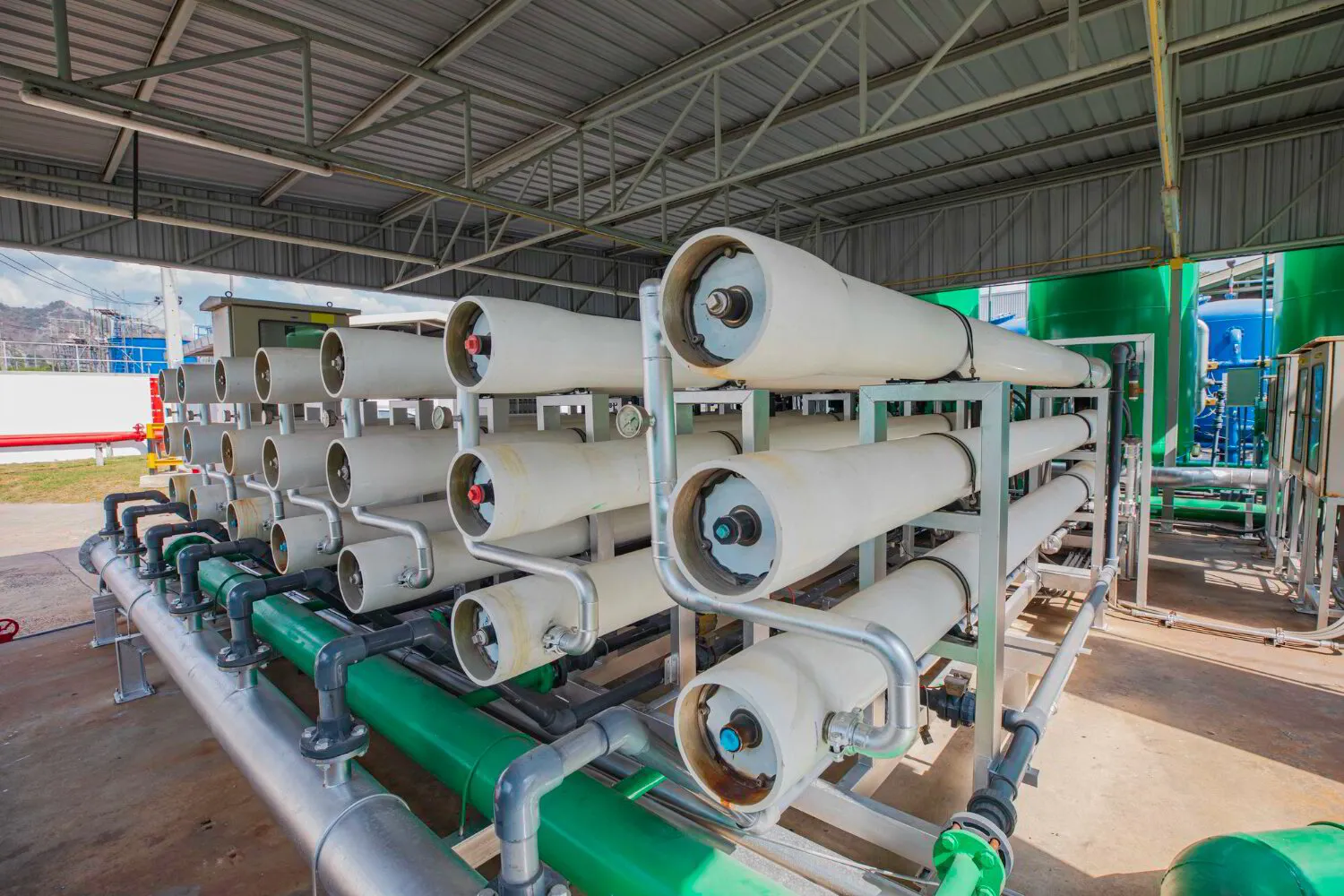
Private wells: test, then treat
Florida well water often carries hydrogen sulfide, which causes the rotten-egg smell, along with iron that stains fixtures and laundry and enough hardness to scale up appliances. Bacteria are another concern, especially after flooding or if the wellhead is not well sealed. Because private wells are not regulated the way public water is, the owner is responsible for knowing what is in the water.
We look at hardness, iron, pH, sulfur odor and other basics on site, and for health-related questions such as bacteria or nitrates, a certified lab test is the right step. Results guide the system: an air-injection or oxidizing filter for iron and sulfur, a softener for hardness, and UV disinfection when bacteria are a concern. Equipment is installed in the right order so each stage protects the next.
County water: taste, odor and scale
Public water is treated and tested to meet drinking-water standards, so filtration on county service is usually about comfort and protecting appliances rather than safety. Utilities add a disinfectant, chlorine or chloramine, to keep the water safe in the pipes, and some people dislike the taste or smell. Hardness still leaves spots on glass and scale in water heaters and dishwashers.
A whole-home carbon filter reduces disinfectant taste and odor at every tap and shower. If chloramine is used, the filter media must be suited to it. A softener addresses the hardness. For drinking and cooking water, an under-sink reverse osmosis system adds another level of filtration at the kitchen tap.
Matching the system to the problem
- Rotten-egg smell: oxidizing or air-injection filter, sometimes paired with an anode change in the water heater
- Orange stains and metallic taste: iron filter ahead of any softener
- White crust and spots: water softener sized to your hardness and household
- Chlorine taste or smell: whole-home or point-of-use carbon filtration
- Bacteria in well water: UV disinfection after sediment and iron are removed
- Cleaner drinking water: reverse osmosis at the kitchen sink or refrigerator line
Where the equipment goes
In most Parrish homes, whole-house treatment is installed in the garage near where the main line enters, or outside next to the well's pressure tank. We plan space for maintenance, including room to change cartridges or add salt, plus a drain for backwashing equipment. Softener and backwash discharge on septic systems deserves a conversation, since large volumes of brine can affect some systems; we can route it appropriately.
HOA rules sometimes limit equipment placed outside, so in master-planned neighborhoods we generally keep systems inside the garage.
Keeping the system working
Every filter needs upkeep. Carbon and sediment cartridges get replaced on a schedule, softeners need salt, UV lamps are changed annually and RO membranes and pre-filters wear out. We explain what each piece needs and how often, and you can call us when it is time to service. Skipping maintenance can make water worse than having no filter at all, especially with sediment-clogged carbon or a dim UV lamp.
Parrish questions
Do I need a filter if my Parrish home is on county water?
Not for safety in most cases, since public water is treated and monitored. Many households still want to reduce disinfectant taste, cut hardness or add RO for drinking water. Testing shows what is worth treating.
How do I get rid of the sulfur smell from my well?
An oxidizing or air-injection filter usually removes hydrogen sulfide for the whole house. If the smell is only in hot water, the water heater anode may be part of the cause as well. A water test helps pin it down.
Can a softener drain into my septic system?
It can, but the brine and volume matter. We discuss the discharge with you and, where practical, route it to limit impact on the tank and drain field.
Should I retest my well after a hurricane or a flood?
Yes. Floodwater can carry bacteria into a well, especially one with a damaged cap or a low wellhead. Use bottled water until a lab test comes back clean, and if your system includes UV disinfection, make sure the lamp is working once power is restored.