
Venice · Sarasota County
Water Filtration Systems for Venice, FL Homes
Water in Venice is safe to drink from the tap when it comes from a public utility, but safe is not the same as pleasant. White crust on shower glass, a chlorine smell, short-lived appliances or a sulfur odor from a private well are all reasons people ask us about filtration. We start with a water test, then recommend only what the results support.
Know your water source first
Most homes within Venice are on a public water system, served by either the city or Sarasota County depending on location. Utility water is treated and disinfected, so filtration for these homes is about taste, odor, hardness and personal preference. Some properties further east and in more rural parts of the area rely on private wells, which are not treated by anyone but the owner. Well water may need treatment for iron, sulfur, hardness or bacteria.
Your utility publishes an annual water quality report, often called a consumer confidence report, that lists what is in the water. It is a useful starting point, and our on-site test shows what is actually coming out of your faucet.
Common complaints and what addresses them
- Spotty glasses, crusty faucets and scale in kettles: a water softener or scale-reduction system
- Chlorine or chemical taste and smell: carbon filtration, whole-home or at the kitchen sink
- Rotten-egg smell, usually from well water: an aeration or oxidizing filter for hydrogen sulfide
- Orange or brown stains in sinks and on driveways from irrigation: iron filtration
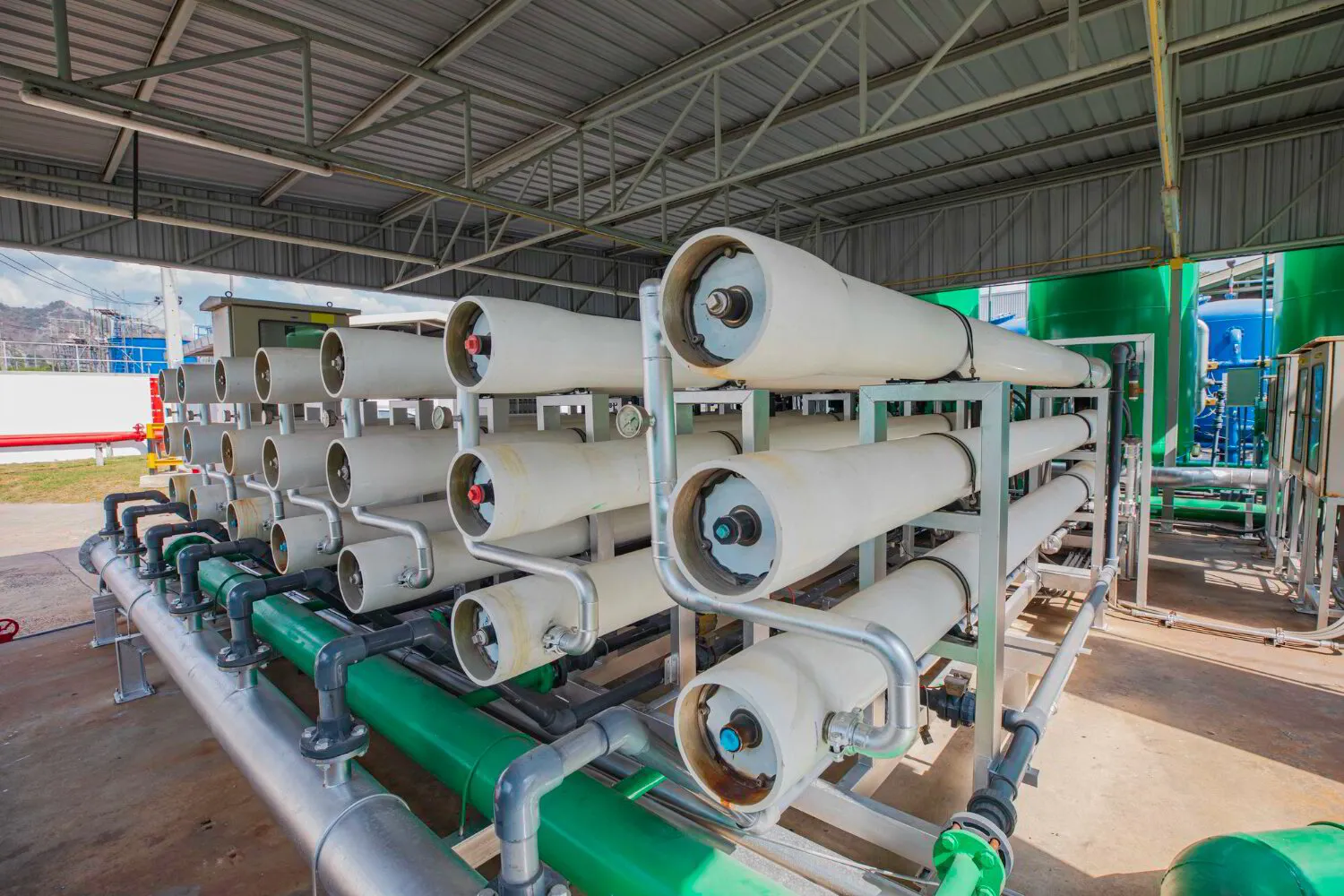
- Concerns about dissolved substances in drinking water: under-sink reverse osmosis
- Bacteria in a private well: UV disinfection, after the well itself is checked
Whole-home, point-of-use or both
A whole-home system treats water where it enters the house, so every faucet, shower and appliance benefits. This is the right approach for hardness, iron or sulfur, because those affect every fixture and the water heater. A point-of-use system treats water at one tap, most often a reverse osmosis unit under the kitchen sink that supplies drinking and cooking water and the refrigerator.
Many households combine the two: a softener or carbon filter for the whole house and RO at the kitchen. Before installing, we look at where the main line enters, usually in the garage, whether there is room for the equipment and a drain, and how the system will be bypassed for servicing.
Seasonal homes and maintenance
Water treatment equipment does not like sitting idle. Water standing in filters for months can develop odors, and softener resin and RO membranes perform better with regular use. If you leave Venice for the summer, consider putting the system in bypass, then flushing it and changing cartridges when you return. Softeners need salt checked regularly. Carbon filters and RO cartridges need replacing on a schedule that depends on use and water quality. We show you how to handle routine maintenance and what to watch for.
Why test before buying
Water treatment is easy to oversell. A softener does nothing for chlorine taste, and a carbon filter does not soften water. Buying the wrong equipment means paying for a system that does not solve your problem. We test hardness, pH, chlorine, iron and other relevant factors, explain the results in plain language, and give you a written quote for the system that matches what we found.
Venice questions
Do I need a water softener in Venice?
If you are fighting scale on fixtures, shower glass and in appliances, a softener is often worth it. Our test shows your hardness level so you can decide based on facts rather than a sales pitch.
My home east of I-75 has a well and the water smells like eggs. Can you fix that?
Usually, yes. That smell is commonly hydrogen sulfide, which can be treated with aeration or an oxidizing filter. We test first, because iron and bacteria may also need attention.
Where does filtration equipment go in a Venice condo with no garage?
Space is tighter, so many condo owners choose an under-sink reverse osmosis unit or a compact filter near the water heater rather than a full whole-home system. We look at the closets and cabinets available and suggest equipment that fits without blocking access for maintenance.
Is reverse osmosis water good for drinking?
Reverse osmosis removes a wide range of dissolved substances and produces clean-tasting water for drinking and cooking. Some people add a remineralization stage for taste. We can explain the options when you choose a system.