
Lakewood Ranch · Sarasota County
Water Heater Repair in Lakewood Ranch, FL
In most Lakewood Ranch homes the water heater lives in the garage, out of sight until a cold shower or a puddle on the epoxy floor gets someone's attention. Many of the tanks installed when these neighborhoods were built have now been replaced once or are nearing that point. We repair what is worth fixing and give an honest answer when a tank has reached the end.
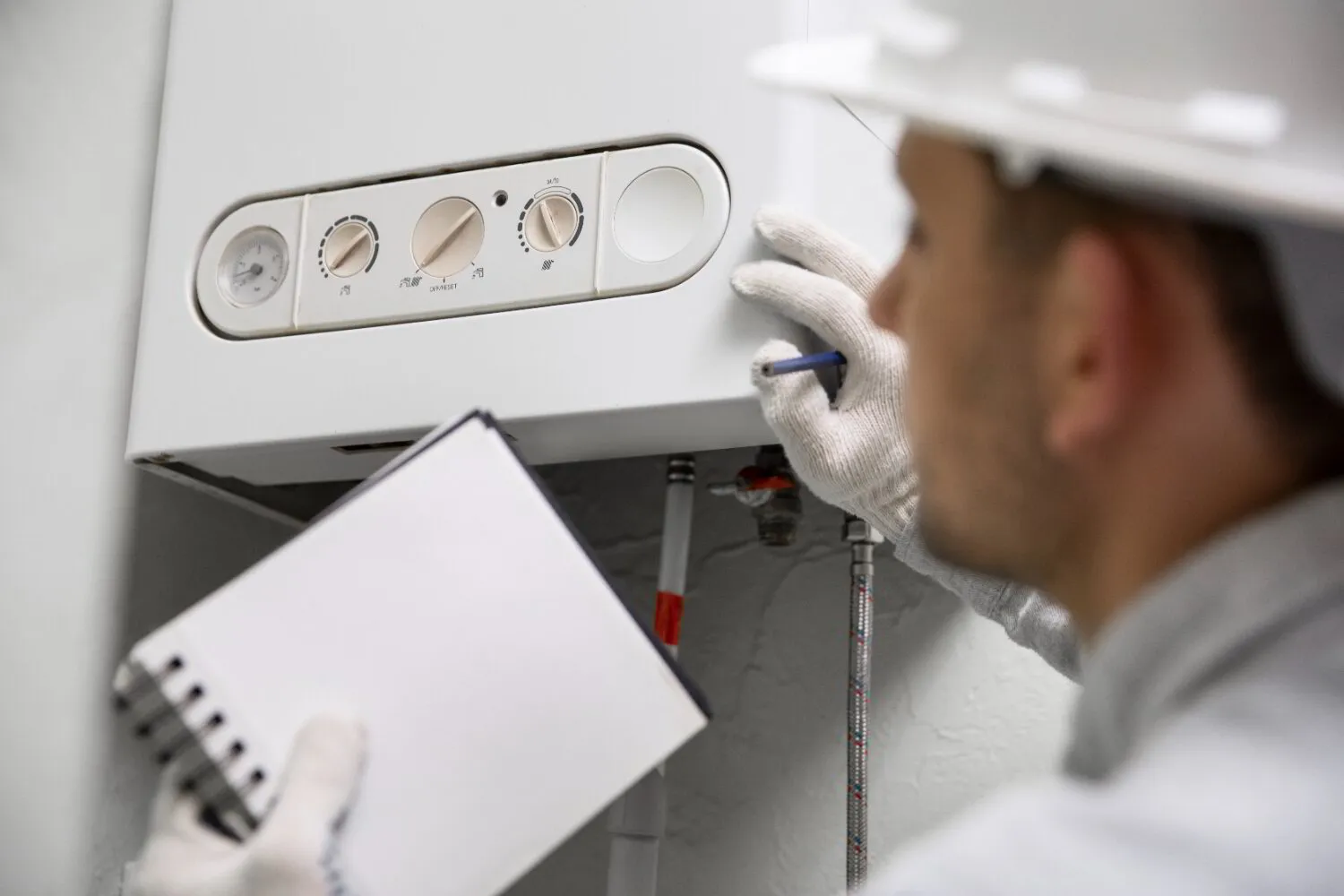
Quick checks for a cold shower
Before calling, look at the simple causes. For an electric tank, which most homes here have, check the electrical panel for a tripped double breaker labeled for the water heater. Reset it once. If it trips again right away, leave it off, because that points to a shorted heating element or wiring fault.
For a gas unit, look through the viewing window for the pilot or listen for the burner when hot water is running. If you smell gas, leave the house and call the gas utility first. Otherwise, note any error code or blinking light on the control and have it ready when you call.
Repairs that make sense
These parts can be replaced on a tank that is otherwise sound, and they cost far less than a new heater. We test before replacing anything, so you are not paying for parts that were working.
- Burned-out upper or lower heating elements on electric tanks
- Failed thermostats that leave water lukewarm
- A dripping temperature and pressure relief valve
- Thermocouple, igniter or gas control problems on gas models
- A leaking drain valve at the bottom of the tank
- Loose or corroded connections at the top of the heater
When replacement is the smarter call
Water seeping from the tank body itself, rust-colored hot water, or rust spots on the bottom seam mean the inner lining has failed, and no repair will stop it. Age matters too. Tanks in Florida garages work hard, and the minerals in local water settle as sediment that insulates the bottom of the tank and stresses it. Once a heater is well into its second decade, repairs often become a short-term fix.
If you are replacing, it is a good time to consider a heat pump water heater, which can work well in a warm garage, or a tankless model if your household runs out of hot water often. We explain the options in the written quote and include code items such as a drain pan, expansion tank and properly piped relief line where required.
Garage placement and local conditions
Garages here are hot most of the year, which helps electric tanks keep up but can shorten the life of plastic parts and wiring connections. Water heaters sitting directly on the floor are also exposed to minor flooding during heavy summer storms, so a raised platform or a pan with a drain can be worthwhile.
Homes along the lakes and ponds that dot the community are not any harder on heaters than others, but houses near the edges of developed areas, where garages may get more storm runoff, sometimes benefit from extra elevation. And if you store paint, pool chemicals or gasoline in the garage, keep them well away from a gas water heater.
Maintenance that extends tank life
Flushing the tank once a year removes some of the sediment that builds up from mineral-rich water. Testing the relief valve, checking the anode rod every few years, and keeping a few inches of clearance around the unit all help. If you are leaving for the summer, turning the heater to vacation mode or off at the breaker saves energy and reduces risk while no one is home to notice a leak.
Lakewood Ranch questions
My water heater is leaking into the garage. What should I do first?
Turn off the power at the breaker for an electric unit, or turn the gas control to off. Then close the cold water valve on top of the tank. Put a bucket or towels down and call us. If the leak is from the tank body, it will need replacement.
Why does my hot water smell like rotten eggs?
That odor usually comes from a reaction between the anode rod and bacteria in the water inside the tank. Flushing the tank and replacing the anode with a different type often helps.
Can you repair a water heater the HOA cannot see from the street?
Yes. Water heater repairs and like-for-like replacements in the garage do not involve exterior changes, so association approval generally is not needed. Changes such as an outdoor tankless unit may be a different matter.