
Longboat Key · Sarasota County
Whole-Home Repiping for Longboat Key Houses and Condominium Units
When an island home has had one pinhole leak after another, or the water runs discolored and weak, patching each failure stops making sense. Repiping replaces the supply lines throughout the house or unit. TK Plumbing plans the work around your schedule, your finishes and your building's rules, and puts the full scope in writing.
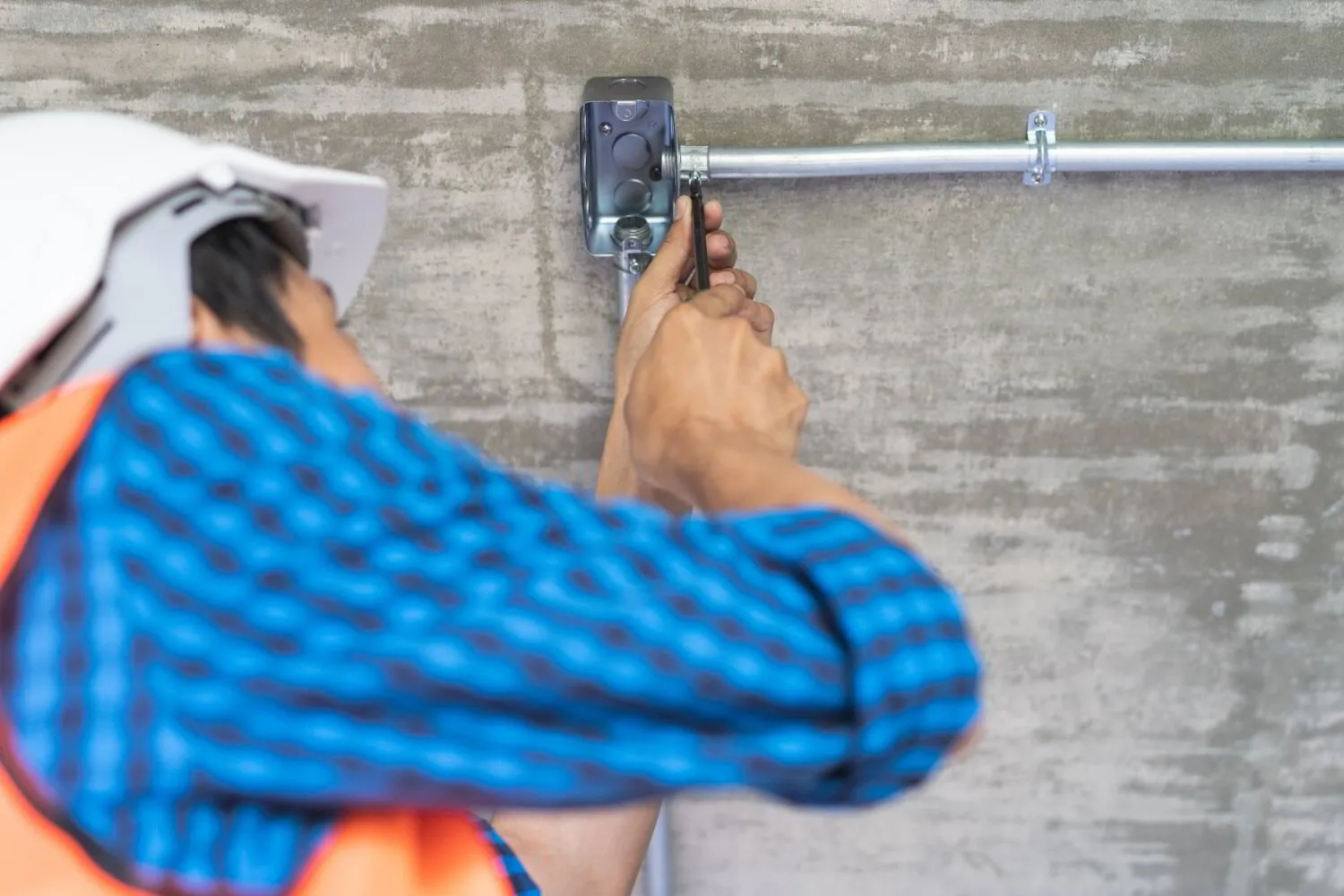
When repiping is the right call
One leak does not mean a home needs repiping. A pattern of leaks does. If you have repaired pinholes in different rooms over a few years, if a slab leak has returned in a new spot, or if inspections show thinning and corrosion throughout, the remaining pipe is likely near the end of its service life. Other signs include rust-colored water, pressure that drops when two fixtures run, and older pipe materials that have known problems.
Longboat Key has many homes and condos built from the 1960s through the 1980s, and a good number of them still have their original supply piping. Some houses from the late 1970s into the mid-1990s may have gray polybutylene, a plastic pipe that insurers and inspectors often flag. Older homes may have galvanized steel that rusts from the inside. Copper is more durable, but decades of use can still bring repeated pinholes.
Material choices
- PEX: flexible, resistant to scale and corrosion, and easier to route through finished walls with fewer openings
- Copper: long-lasting and familiar, but more labor-intensive and subject to the same chemistry that wore out the original pipe
- CPVC: used in some buildings, with its own fitting and support requirements
- Your association may specify materials for work on its common piping
Repiping a single-family home
In a one-story slab home, the new lines are usually run overhead through the attic and down the walls to each fixture, rather than through the slab. That leaves the leak-prone under-slab lines out of service. We open walls only where needed to reach fixtures, and patching drywall afterward is part of what we discuss when scoping the job. In raised homes, accessible spaces below or between floors can simplify routing. Either way, we plan around tile, stone and cabinetry so the finishes you care about are protected.
During the work, we keep water service interruptions as short as possible. Many repipes are done in stages, with water restored at the end of each working day.
Repiping inside a condominium unit
In a condo, the job usually covers the piping from the unit's shutoff to its fixtures. Shared risers and building mains belong to the association. Unit owners sometimes repipe during a full remodel when walls are already open, which makes the work faster and keeps patching to a minimum. Associations generally require notice, approved working hours, insurance documentation and coordination for any riser shutoffs. We handle that coordination with management.
What to plan before the project
Decide whether you want to be on the island during the work. Many seasonal owners schedule a repipe while they are away, especially in the off-season when building managers and contractors have more flexibility. Clear access to closets, vanities and the water heater area. Ask your insurer whether replacing certain materials affects your coverage. And, if you plan other renovations soon, mention them; it is easier to coordinate a repipe with a kitchen or bath remodel than to open walls twice.
Repiping questions on Longboat Key
Can my home be repiped while I am away for the summer?
Yes. With access arranged through a manager or key holder, we can complete the work while you are gone and send updates and photos along the way.
Will you replace the pipes under my slab?
Usually we abandon the old under-slab lines and run new piping through the attic and walls. That avoids breaking up floors and removes the risk of future slab leaks in those lines.
Does repiping my condo unit include the building's risers?
Normally not. Risers are typically association property. We can document their condition if we see a problem so the association can address it.
How do I know if my home has polybutylene pipe?
Polybutylene is usually gray, flexible plastic, often marked PB, and may be visible near the water heater, under sinks or where the main enters. We can identify it during an inspection and tell you how much of the home it serves.
How long will we be without water during a repipe?
Water is usually off only for parts of each working day, while lines are being connected, and restored in the evening. The schedule depends on the size of the home and is laid out before the job starts.