
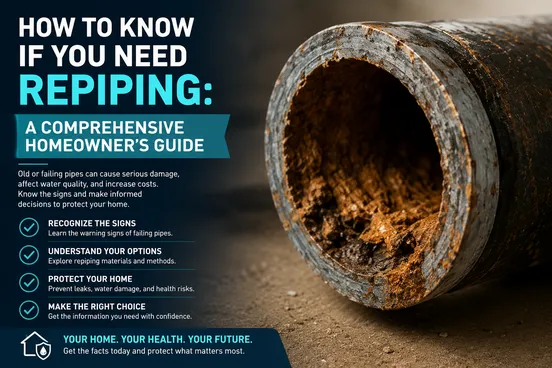
How to Know If You Need Repiping: A Comprehensive Homeowner's Guide
Your home's plumbing system is the circulatory system of your property, quietly working behind the walls to deliver clean water and remove waste. However, like any system that operates continuously, your pipes can deteriorate over time, leading to costly problems that affect your daily life and property value. Understanding how to know if you need repiping is crucial for maintaining a safe, efficient, and comfortable living environment.
Repiping involves replacing some or all of the water supply pipes in your home, a significant but sometimes necessary investment in your property's infrastructure. While the thought of major plumbing work might seem daunting, recognizing the warning signs early can save you thousands of dollars in water damage repairs and prevent the inconvenience of emergency plumbing situations. Modern homeowners, property managers, and commercial building owners must stay vigilant about signs of plumbing problems that indicate when pipe replacement becomes inevitable rather than optional.
Introduction to Repiping
Repiping is the comprehensive process of replacing the existing water supply pipes throughout a building with new, modern piping materials. This extensive plumbing renovation goes beyond simple pipe repair solutions and addresses systemic issues that affect the entire water distribution network in your property. Unlike minor repairs that target specific problem areas, repiping provides a complete overhaul of your plumbing infrastructure, ensuring reliable water delivery for decades to come.
The importance of addressing plumbing issues promptly cannot be overstated, as delayed action often transforms manageable problems into catastrophic failures. Water damage from burst pipes can destroy flooring, walls, furniture, and personal belongings while creating conditions for dangerous mold growth. Additionally, compromised plumbing systems can introduce contaminants into your drinking water, posing serious health risks to occupants. Property managers and commercial building owners face additional challenges, as plumbing failures can disrupt business operations, lead to liability issues, and result in significant revenue losses.
Several key indicators suggest that your property may require repiping rather than simple repairs. These warning signs typically develop gradually, making it essential to understand what to look for before minor issues escalate into major emergencies. Frequent leaks, declining water pressure, discolored water, unusual odors, and unexplained increases in water bills all point toward systemic pipe deterioration. Additionally, properties with aging pipe materials like galvanized steel or original copper installations from several decades ago often benefit from proactive repiping to prevent future problems and improve overall system performance.
Common Signs You Need Repiping
Frequent Leaks and Water Damage
One of the most obvious signs of plumbing problems requiring repiping is the recurring appearance of leaks throughout your property. While occasional leaks at joints or fixtures are normal maintenance issues, multiple leaks appearing in different locations within a short timeframe indicates widespread pipe deterioration. These leaks often start small, appearing as minor drips or damp spots on walls and ceilings, but can quickly escalate into major water damage events that require emergency plumbing services.
Water damage from chronic leaking creates a cascading effect of problems throughout your property. Drywall becomes soft and discolored, paint begins peeling, and wooden structures can rot or warp beyond repair. More concerning is the development of mold and mildew in affected areas, which poses serious health risks and requires expensive remediation. Property managers dealing with frequent leak-related tenant complaints should seriously consider repiping as a long-term solution rather than continuing costly temporary repairs.
Low Water Pressure Issues
Declining water pressure throughout your property signals internal pipe problems that often necessitate complete replacement. When mineral deposits, rust, and corrosion accumulate inside pipes over time, they create restrictions that significantly reduce water flow. This problem typically affects the entire plumbing system rather than individual fixtures, making it a clear indicator that you need comprehensive repiping rather than localized repairs.
Low water pressure impacts daily activities like showering, dishwashing, and laundry, reducing quality of life and operational efficiency. In commercial settings, inadequate water pressure can affect equipment performance, customer satisfaction, and compliance with health regulations. Restaurants and retail businesses particularly suffer when low water pressure hampers cleaning operations and food preparation processes.
Discolored or Rusty Water
When you turn on your taps and notice brown, yellow, or reddish water flowing out, this discoloration typically indicates advanced corrosion within your pipes. Rusty water contains iron particles and other contaminants that have flaked off from deteriorating pipe walls, making the water unsafe for drinking and unpleasant for bathing or cleaning. This problem rarely resolves itself and usually worsens progressively as pipe corrosion advances.
Discolored water can stain clothing, dishes, and plumbing fixtures, creating additional cleaning challenges and replacement costs. More importantly, the contaminants causing discoloration may include harmful substances that pose health risks when consumed or absorbed through skin contact during bathing.
Unusual Odors and Tastes
Strange smells or tastes coming from your tap water often indicate bacterial growth, chemical reactions, or contamination within deteriorating pipes. Metallic tastes suggest advanced corrosion, while musty or sulfur-like odors may indicate bacterial contamination or chemical interactions with aging pipe materials. These sensory changes in your water quality represent serious health concerns that require immediate attention and often necessitate complete pipe replacement.
Unexplained High Water Bills
Sudden increases in water bills without corresponding changes in usage patterns frequently indicate hidden leaks within your plumbing system. These leaks may occur underground, within walls, or in other concealed locations where they continue wasting water without obvious visual signs. When multiple small leaks develop throughout an aging pipe system, the cumulative water loss can dramatically increase monthly utility costs while causing gradual structural damage to your property.
Understanding the Causes of Pipe Damage
Aging Pipes and Outdated Materials
The primary factor determining when to repipe your home relates to the age and composition of existing pipes. Different piping materials have varying lifespans, with galvanized steel pipes typically lasting 20-50 years, copper pipes enduring 50-70 years, and modern PVC or PEX systems potentially functioning for 75-100 years. Properties built before 1970 often contain galvanized steel pipes that have likely reached or exceeded their useful life, making repiping a practical necessity rather than an optional upgrade.
Older pipe materials were manufactured using different standards and techniques than modern alternatives, making them more susceptible to corrosion, mineral buildup, and structural failure. Galvanized pipes, in particular, develop internal rust that gradually restricts water flow and contaminates the water supply. Additionally, some older properties may contain lead pipes or lead-soldered joints that pose serious health risks and require immediate replacement to ensure safe drinking water.
Corrosion and Rust Development
Corrosion represents the most common cause of pipe failure in residential and commercial plumbing systems. This chemical process occurs when metal pipes react with oxygen, water, and various minerals dissolved in the water supply. Over time, corrosion weakens pipe walls, creates rough internal surfaces that harbor bacteria, and produces the rust particles that cause water discoloration and taste problems.
The rate of corrosion depends on several factors, including water chemistry, pH levels, mineral content, and temperature fluctuations. Properties with hard water containing high mineral concentrations often experience accelerated pipe deterioration, while acidic water can rapidly corrode copper pipes. Understanding these factors helps property owners recognize when their specific water conditions may necessitate earlier repiping than typical material lifespans would suggest.
Tree Root Intrusions and External Damage
Underground water lines face unique threats from tree root systems seeking moisture and nutrients. Tree roots can penetrate small cracks or loose joints in underground pipes, gradually expanding these openings and causing major leaks or complete pipe blockages. This type of damage often requires extensive excavation and pipe replacement rather than simple repairs, particularly when root systems have established themselves within the pipe network.
External factors like soil shifting, ground freezing, construction activities, and natural settling can also damage underground pipes through mechanical stress and pressure changes. These external forces can crack pipes, separate joints, or cause misalignment that leads to leaks and reduced system performance.
Temperature-Related Damage
Freezing and thawing cycles pose significant risks to plumbing systems, particularly in regions experiencing extreme temperature variations. When water freezes inside pipes, it expands and can crack or burst the pipe walls, leading to major leaks when temperatures rise and the ice melts. Repeated freeze-thaw cycles weaken pipe materials over time, making them more susceptible to future failures even when initial freezing doesn't cause immediate visible damage.
The Repiping Process
Initial Consultation and Professional Assessment
Understanding how to know if you need repiping begins with consulting qualified plumbing professionals who can accurately assess your system's condition and recommend appropriate solutions. Professional plumbers use specialized leak detection equipment and techniques to evaluate pipe condition, including video inspection cameras, pressure testing equipment, and water quality analysis tools. This comprehensive assessment provides detailed information about pipe condition, remaining useful life, and the most cost-effective approach to addressing identified problems.
During the initial consultation, experienced plumbers examine visible pipes, test water pressure at multiple locations, analyze water quality samples, and review your property's plumbing history. They also consider factors like pipe age, material composition, local water conditions, and your specific usage requirements to develop customized recommendations. This professional evaluation helps distinguish between properties requiring complete repiping and those that might benefit from targeted repairs or partial pipe replacement.
Evaluating Existing Pipe Conditions
Professional pipe evaluation involves multiple diagnostic techniques to determine the extent of deterioration and remaining system life. Video inspection technology allows plumbers to examine the interior condition of pipes without destructive excavation, revealing corrosion levels, blockages, root intrusions, and structural damage. Pressure testing identifies weak points and potential failure locations, while water quality analysis reveals contamination levels and their sources.
The evaluation process also includes examining pipe supports, joints, connections, and related components that affect overall system integrity. Plumbers assess the compatibility of existing pipes with modern fixtures and appliances, ensuring that any repiping project addresses current and future needs. This comprehensive evaluation provides the foundation for developing realistic timelines, accurate cost estimates, and appropriate material selections.
Material Selection for Modern Repiping
Contemporary repiping projects typically utilize advanced materials that offer superior performance, longevity, and safety compared to older pipe types. Copper pipes remain popular for their durability, antimicrobial properties, and proven track record, though they represent a higher initial investment. PEX (cross-linked polyethylene) pipes have gained widespread acceptance due to their flexibility, freeze resistance, and lower installation costs, making them ideal for many residential applications.
PVC pipes excel in certain applications, particularly for cold water lines and areas where chemical resistance is important. The material selection process considers factors like local building codes, water chemistry, intended use, budget constraints, and long-term maintenance requirements. Professional plumbers help property owners understand the advantages and limitations of different materials, ensuring informed decisions that provide optimal value and performance.
Project Timeline and Expectations
Repiping projects vary significantly in scope and duration depending on property size, pipe accessibility, material choices, and local permit requirements. Typical residential repiping projects range from 2-5 days for smaller homes to 1-2 weeks for larger properties with complex layouts. Commercial repiping projects often require longer timelines due to business continuity considerations, regulatory requirements, and more extensive pipe networks.
During the repiping process, property occupants should expect temporary water service interruptions, noise from construction activities, and possible access limitations to certain areas. Professional plumbing contractors work to minimize disruptions through careful planning, efficient work practices, and clear communication about daily activities and expected completion milestones. Proper preparation and realistic expectations help ensure successful project completion with minimal inconvenience to property occupants.
Cost Considerations for Repiping
Primary Cost Factors
Repiping cost varies significantly based on multiple interconnected factors that property owners should understand when budgeting for this major investment. Property size represents the most obvious cost driver, as larger buildings require more materials, labor hours, and time to complete. However, pipe accessibility often has an even greater impact on total project costs, with easily accessible pipes in basements or crawl spaces costing significantly less to replace than pipes running through finished walls or concrete slabs.
Material selection dramatically affects both initial costs and long-term value, with copper pipes typically costing 2-3 times more than PEX alternatives but offering potentially longer service life. Labor costs vary by region and contractor expertise, while permit fees, inspection requirements, and local building codes add additional expenses that must be factored into total project budgets.
Material Cost Comparisons
Different piping materials offer distinct advantages and cost profiles that influence overall project economics. Copper pipes command premium prices due to material costs and specialized installation requirements, but they provide excellent durability, corrosion resistance, and proven longevity. PEX pipes cost significantly less for both materials and installation, offering good performance characteristics and easier replacement access for future maintenance needs.
PVC pipes represent the most economical option for appropriate applications, though building codes may restrict their use in certain situations. When evaluating material costs, property owners should consider total lifecycle expenses including installation, maintenance, energy efficiency, and expected replacement intervals rather than focusing solely on initial material prices.
Long-term Financial Benefits
Modern repiping systems provide substantial long-term savings through improved efficiency, reduced maintenance requirements, and enhanced property values. New pipes eliminate the ongoing costs of frequent repairs, emergency plumbing services, and water damage remediation that often plague aging systems. Improved water pressure and flow rates can reduce energy costs for water heating and improve the efficiency of water-using appliances.
Additionally, modern plumbing systems increase property values and marketability, making repiping a valuable investment that provides returns through both operational savings and enhanced resale potential. Insurance companies may also offer reduced premiums for properties with updated plumbing systems, recognizing the decreased risk of water damage claims.
Financing and Planning Options
Many plumbing contractors offer financing programs or payment plans that make major repiping projects more accessible to property owners. These options allow spreading the cost over time while immediately gaining the benefits of improved plumbing performance and reliability. Some utility companies provide rebates or incentives for water-efficient upgrades, while certain government programs offer low-interest loans for home improvements that enhance safety and efficiency.
After Repiping: Maintenance Tips
Establishing Routine Inspection Schedules
Proper plumbing maintenance tips following repiping help ensure optimal system performance and longevity. Regular inspections should include checking visible pipes for signs of damage, monitoring water pressure at various fixtures, and observing water quality for any changes in color, taste, or odor. Monthly visual inspections combined with annual professional evaluations help identify potential problems before they develop into major issues requiring emergency intervention.
Professional maintenance visits should include pressure testing, fixture inspections, water heater evaluation, and assessment of pipe supports and connections. These routine inspections help maintain warranty coverage, ensure optimal performance, and provide early warning of any developing problems that might require attention.
Recognizing Early Warning Signs
Even with new piping systems, property owners should remain vigilant for signs that might indicate developing problems or installation issues. Unusual noises, pressure fluctuations, minor leaks, or changes in water quality should be investigated promptly to prevent minor issues from escalating into major problems. Understanding normal system operation helps property owners distinguish between typical settling and adjustment periods versus genuine concerns requiring professional attention.
Optimizing System Performance
Proper system operation includes managing water pressure within recommended ranges, avoiding chemical drain cleaners that might damage pipes, and protecting pipes from freezing during cold weather. Regular maintenance of water heaters, pressure regulators, and water filtration systems helps ensure optimal performance and prevents problems that might affect the new piping system. Additionally, educating all building occupants about proper plumbing usage helps prevent damage from inappropriate materials being introduced into the system.
Conclusion: When to Act
Recognizing how to know if you need repiping represents a crucial skill for responsible property ownership and management. The warning signs discussed throughout this guide—frequent leaks, low water pressure, discolored water, unusual odors, and rising water bills—rarely improve without professional intervention and typically worsen over time. Waiting until complete system failure occurs inevitably results in higher costs, more extensive property damage, and greater inconvenience than addressing problems proactively through planned repiping projects.
The decision to repipe should balance current problems against future risks, considering factors like pipe age, material composition, repair frequency, and long-term property plans. Properties with pipes approaching the end of their expected lifespan benefit from proactive repiping that prevents emergency situations and provides decades of reliable service. Modern piping materials and installation techniques offer superior performance, safety, and longevity compared to older systems, making repiping a valuable investment in property infrastructure and occupant safety.
Successful repiping projects require professional expertise, quality materials, and proper planning to ensure optimal results and long-term satisfaction. Property owners should seek qualified contractors with proven experience, appropriate licensing, and comprehensive warranties that protect their investment. Taking action at the first signs of systemic plumbing problems prevents minor issues from becoming major disasters while ensuring safe, reliable water service for years to come.
Ready to address your plumbing concerns? Contact TK Plumbing today for a comprehensive plumbing inspection and professional repiping consultation. Our experienced team serves homeowners, property managers, and commercial clients throughout the area with reliable, professional service. Call us at (941) 392-3846 or visit https://tkplumbing941.com/ to schedule your appointment and discover how modern repiping solutions can improve your property's performance, value, and safety.