
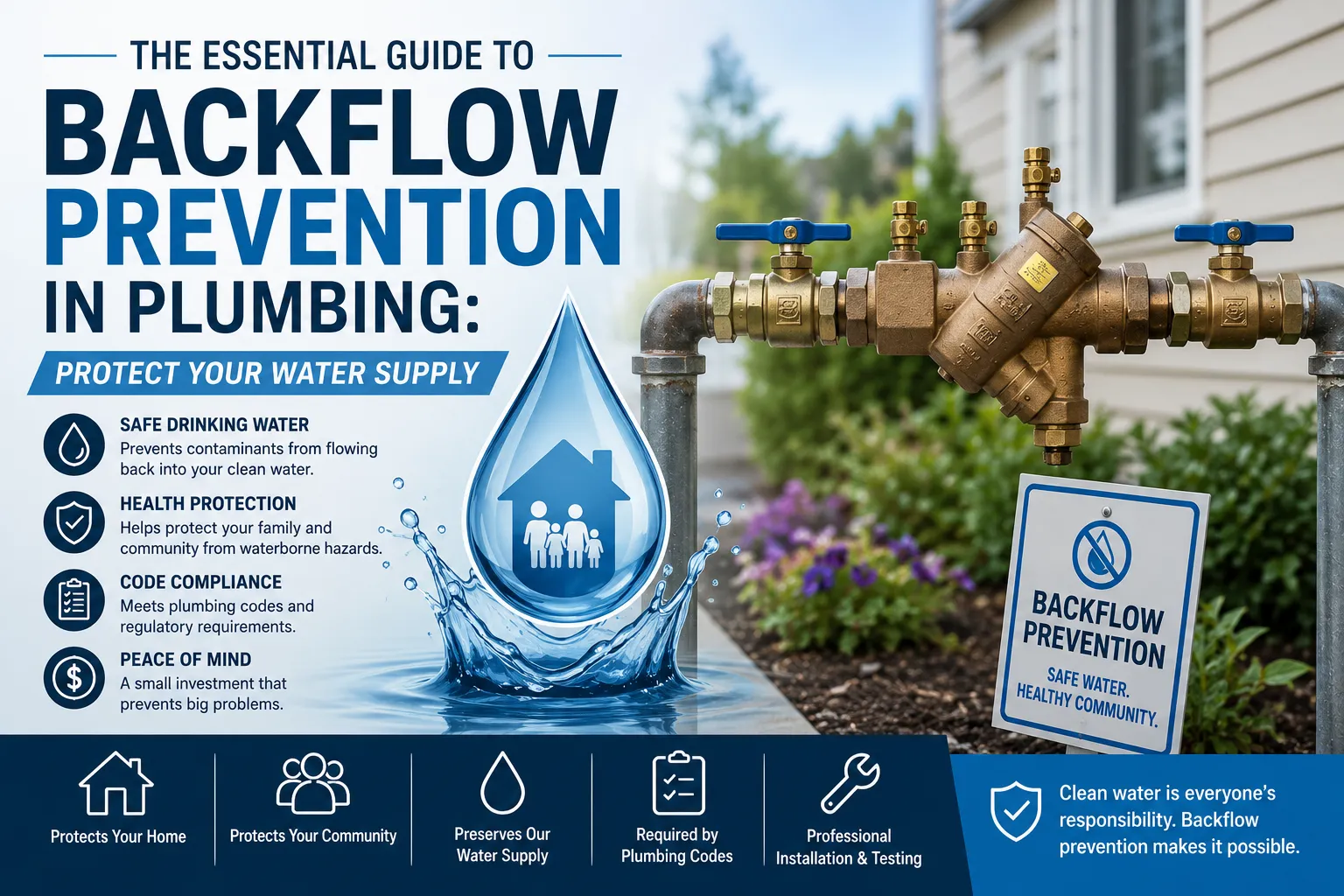
The Essential Guide to Backflow Prevention in Plumbing: Protect Your Water Supply
Water is life's most precious resource, yet many property owners remain unaware of a silent threat lurking within their plumbing systems: backflow. This dangerous phenomenon can transform your clean water supply into a contaminated health hazard within minutes, affecting everything from residential homes to commercial establishments. Understanding backflow prevention isn't just about maintaining your plumbing system—it's about safeguarding the health and safety of everyone who depends on your water supply.
Backflow occurs when contaminated water reverses direction in your plumbing system, flowing backward into clean water lines. This contamination can introduce harmful bacteria, chemicals, pesticides, and other dangerous substances into your drinking water supply. The consequences range from minor taste and odor issues to serious health emergencies that can affect entire communities.
The importance of backflow prevention in plumbing cannot be overstated. Property managers, homeowners, and commercial building operators must understand that proper backflow prevention is not optional—it's a critical safety measure mandated by health departments and water utilities nationwide. Without adequate protection, your property becomes vulnerable to cross-contamination events that can result in costly repairs, legal liability, and potential health crises. This comprehensive guide will equip you with essential knowledge about backflow prevention systems, installation requirements, maintenance protocols, and emergency procedures to ensure your water supply remains safe and compliant.
Introduction to Backflow Prevention
Backflow represents one of the most serious threats to water quality in modern plumbing systems. At its core, backflow is the undesirable reversal of water flow in a plumbing system, causing potentially contaminated water to flow backward into the clean water supply. This phenomenon occurs when the normal pressure relationships in plumbing systems are disrupted, creating pathways for contamination that can compromise entire water distribution networks.
The importance of backflow prevention in plumbing extends far beyond simple regulatory compliance. These systems serve as the last line of defense against water contamination, protecting public health and ensuring that clean, safe water reaches every tap, faucet, and fixture in your property. When backflow prevention fails, the consequences can be immediate and severe, affecting not only individual properties but entire neighborhoods served by interconnected water systems.
Understanding backflow prevention begins with recognizing that water systems operate under carefully maintained pressure differentials. Clean water flows from areas of higher pressure to lower pressure, maintaining the intended direction of flow throughout the distribution network. However, various factors can disrupt these pressure relationships, including water main breaks, high-demand situations, pump failures, or sudden changes in system pressure. When these disruptions occur without proper backflow prevention measures, contaminated water can enter clean water lines.
The consequences of neglecting backflow prevention are both immediate and long-term. Short-term effects include water discoloration, unusual tastes or odors, and potential exposure to harmful contaminants. Long-term consequences can include serious health risks, expensive system remediation, legal liability, and damage to property reputation. Commercial properties face additional risks, including business interruption, regulatory penalties, and potential lawsuits from affected customers or tenants.
Effective backflow prevention requires understanding the specific risks associated with different property types and water uses. Residential properties typically face lower contamination risks but still require protection, especially in areas with irrigation systems or swimming pools. Commercial and industrial properties often present higher risks due to complex plumbing systems, chemical usage, and specialized equipment that can introduce contaminants into water lines.
Types of Backflow Preventers
Modern plumbing safety relies on several distinct types of backflow preventers, each designed to address specific contamination risks and installation requirements. Understanding these different systems enables property owners to select appropriate protection for their unique circumstances while ensuring compliance with local drinking water regulations.
Air gaps represent the simplest and most reliable form of backflow prevention. This method creates a physical separation between the water supply outlet and the flood level rim of the receiving fixture. The gap must be at least twice the diameter of the supply pipe, with a minimum distance typically specified by local codes. Air gaps are commonly found in dishwashers, washing machines, and commercial kitchen equipment. While highly effective, air gaps aren't always practical for every application due to space constraints and aesthetic considerations.
Reduced Pressure Zone (RPZ) assemblies provide the highest level of backflow prevention for high-hazard applications. These sophisticated devices feature two independently acting check valves separated by a reduced pressure zone. A relief valve monitors the pressure differential and discharges water if the system detects potential backflow conditions. RPZ assemblies require professional installation and regular testing but offer superior protection for facilities handling chemicals, medical waste, or other high-risk contaminants. These systems are mandatory for many commercial and industrial applications.
Double Check Valve Assemblies (DCVA) offer reliable protection for medium-hazard applications. These devices incorporate two spring-loaded check valves in series, along with test cocks for periodic testing. DCVAs are commonly installed in residential irrigation systems, commercial buildings, and industrial facilities where contamination risks are moderate. While less protective than RPZ assemblies, double check valves provide cost-effective protection for many common applications.
Pressure Vacuum Breakers (PVB) protect against backsiphonage conditions in specific applications. These devices feature a check valve and an air inlet valve that opens when supply pressure drops, breaking the siphon effect that can cause backflow. PVBs are frequently used for irrigation systems and must be installed at least 12 inches above the highest downstream outlet. These devices cannot protect against backpressure conditions, limiting their applications.
Atmospheric Vacuum Breakers (AVB) provide basic protection against backsiphonage in low-hazard situations. These simple devices open to atmosphere when supply pressure drops, preventing siphon conditions. AVBs are commonly found on residential hose bibs and simple irrigation connections. However, they cannot be installed under continuous pressure and offer limited protection compared to other backflow prevention methods.
Selecting appropriate backflow preventers requires careful consideration of hazard levels, installation requirements, maintenance capabilities, and local code requirements. Professional plumbing services can assess specific applications and recommend optimal solutions that balance protection, cost, and maintenance requirements while ensuring full regulatory compliance.
How Backflow Occurs
Backflow incidents result from specific hydraulic conditions that overcome the normal pressure relationships maintaining proper water flow direction. Understanding these mechanisms enables property owners to recognize risk factors and implement appropriate preventive measures before contamination occurs.
Backsiphonage represents the most common cause of backflow in both residential and commercial settings. This phenomenon occurs when supply pressure drops below atmospheric pressure, creating a siphon effect that draws water backward through the system. Common causes include water main breaks, high-demand periods when multiple users simultaneously draw large volumes, pump failures in the distribution system, or fire department connections that rapidly drain supply lines. During backsiphonage events, any connection between potable water lines and potential contamination sources can introduce pollutants into the clean water supply.
Backpressure conditions develop when downstream pressure exceeds supply pressure, forcing contaminated water backward into clean water lines. These situations frequently occur in commercial and industrial settings where pumps, boilers, or elevated storage tanks create pressures higher than the municipal supply pressure. Irrigation systems with booster pumps, building fire suppression systems, and industrial process equipment commonly create backpressure conditions that require specialized backflow prevention measures.
Cross-connections play a critical role in backflow risks by providing physical pathways between potable water systems and potential contamination sources. These connections can be permanent installations, such as boiler makeup water lines or chemical injection systems, or temporary connections created during maintenance activities. Even seemingly innocent connections, like garden hoses left in swimming pools or cleaning buckets, can create dangerous cross-connection pathways during pressure loss events.
Thermal expansion in closed water systems can create backpressure conditions that force contaminated water into clean supply lines. This occurs when water heaters or other heating equipment expand water volume in closed systems, creating pressure that exceeds supply pressure. Without proper expansion tanks or backflow prevention, these pressure increases can force heated water containing scale, corrosion products, or chemical additives back into the potable water supply.
Emergency situations frequently create conditions conducive to backflow incidents. Power outages can disable pumps maintaining system pressure, while natural disasters may damage infrastructure and disrupt normal pressure relationships. Fire suppression activities often create dramatic pressure drops that can trigger backsiphonage events, particularly in buildings with interconnected fire and domestic water systems.
Industrial processes present unique backflow risks due to the variety of chemicals, elevated temperatures, and specialized equipment involved. Manufacturing facilities, laboratories, medical facilities, and food processing operations often handle substances that pose serious health risks if introduced into potable water supplies. These facilities require comprehensive backflow prevention programs that address both routine operations and emergency scenarios.
Understanding how backflow occurs enables proactive risk management through proper system design, installation of appropriate backflow preventers, and implementation of plumbing maintenance tips that minimize contamination risks. Regular assessment of cross-connection risks and pressure conditions helps identify potential problems before they compromise water quality.
The Importance of Backflow Prevention
The importance of backflow prevention in plumbing extends far beyond regulatory compliance, encompassing critical public health protection, legal liability management, and system integrity maintenance. Understanding these multifaceted benefits helps property owners appreciate why backflow prevention represents an essential investment rather than an optional upgrade.
Protecting drinking water quality stands as the primary justification for comprehensive backflow prevention programs. Municipal water supplies undergo extensive treatment and testing to ensure safety, but this protection ends at the customer's meter. Beyond that point, property owners bear responsibility for maintaining water quality through their distribution systems. Backflow prevention systems serve as the final barrier against contamination, ensuring that treated water maintains its quality from the meter to every point of use throughout the property.
Preventing contamination of water sources protects not only individual properties but entire communities served by interconnected distribution networks. When backflow occurs at one location, contamination can spread throughout the system, affecting neighboring properties and public water supplies. This interconnected nature of water systems means that inadequate backflow prevention at one property can create liability and health risks for entire communities. Effective backflow prevention programs recognize these broader responsibilities and implement appropriate protective measures.
Health risks associated with backflow incidents range from minor gastrointestinal discomfort to serious illness and death. Contamination sources can include bacteria from irrigation systems, chemicals from industrial processes, pesticides from landscaping operations, or biological contaminants from swimming pools and decorative fountains. Even seemingly harmless sources like garden fertilizers can introduce dangerous levels of nitrates or other chemicals that pose serious health risks, particularly for vulnerable populations including children, elderly individuals, and those with compromised immune systems.
Legal and regulatory requirements for backflow prevention continue to expand as awareness of contamination risks grows. Most jurisdictions now mandate backflow prevention for specific applications, with requirements varying based on hazard levels and property types. Commercial properties typically face more stringent requirements than residential properties, but all property types must comply with applicable codes and regulations. Failure to maintain proper backflow prevention can result in fines, legal liability, and mandatory system shutdowns until compliance is achieved.
Water quality protection through backflow prevention also supports broader environmental stewardship goals. Contamination events can affect groundwater supplies, surface water bodies, and sensitive ecosystems that depend on clean water. By preventing contamination at its source, effective backflow prevention programs contribute to broader environmental protection efforts while supporting sustainable water management practices.
Economic considerations further emphasize the importance of backflow prevention in plumbing systems. The cost of installing and maintaining backflow preventers pales in comparison to the potential costs of contamination incidents. These costs can include emergency response expenses, system remediation, health care costs, legal settlements, business interruption, and reputation damage. Insurance coverage may not fully protect against all backflow-related losses, making prevention the most cost-effective risk management strategy.
Professional plumbing services play a crucial role in implementing effective backflow prevention programs. These experts understand local requirements, assess specific risk factors, recommend appropriate devices, and provide ongoing maintenance services that ensure continued protection. Investing in professional backflow prevention services demonstrates commitment to public health protection while ensuring regulatory compliance and risk mitigation.
Installing Backflow Preventers
Proper installation of backflow preventers requires careful planning, precise execution, and thorough understanding of both hydraulic principles and regulatory requirements. The installation process varies significantly depending on device type, application, and local code requirements, making professional expertise essential for ensuring effective protection.
The step-by-step installation process begins with comprehensive site assessment and device selection. Professional plumbers evaluate existing plumbing systems, identify cross-connection risks, and determine appropriate backflow prevention methods based on hazard levels and installation constraints. This assessment includes reviewing water pressure conditions, identifying optimal installation locations, and ensuring adequate space for device installation and future maintenance access.
Choosing the right backflow preventer for your system requires understanding both the specific contamination risks present and the hydraulic characteristics of the installation location. High-hazard applications typically require RPZ assemblies, while medium-hazard situations may be adequately protected by double check valve assemblies. Installation location affects device selection, as some preventers require specific elevation relationships or protection from freezing temperatures. Professional assessment ensures optimal device selection that balances protection requirements with installation constraints and maintenance considerations.
Site preparation involves shutting off water supply, draining affected lines, and preparing installation locations according to manufacturer specifications and local code requirements. Proper installation requires precise attention to flow direction, elevation requirements, and clearance specifications. RPZ assemblies require adequate drainage for relief valve discharge, while other devices may have specific orientation or support requirements that affect installation procedures.
Piping connections must be executed with precision to ensure proper device function and system integrity. This includes installing appropriate shut-off valves, test cocks, and support structures according to manufacturer specifications. Proper pipe sizing ensures adequate flow rates while maintaining appropriate pressure relationships throughout the system. Professional installers understand these requirements and execute connections that optimize device performance while facilitating future maintenance activities.
System testing represents a critical installation phase that verifies proper device function and system performance. Initial testing includes checking for leaks, verifying proper flow direction, and conducting functional tests of all device components. Professional installers use specialized testing equipment to verify that devices operate within manufacturer specifications and provide intended protection levels.
Hiring professional plumbing services for backflow preventer installation ensures compliance with all applicable codes and regulations while optimizing system performance. Professional installers possess the specialized tools, training, and experience necessary for proper installation. They understand local permitting requirements, inspection procedures, and documentation requirements that ensure regulatory compliance. Additionally, professional installation often includes warranty coverage that protects against installation defects and device failures.
Cost considerations for backflow preventer installation include device costs, installation labor, permitting fees, and ongoing maintenance requirements. While initial costs may seem significant, proper installation provides long-term value through reliable protection, regulatory compliance, and risk mitigation. Professional installers can provide detailed cost estimates that include all necessary components and services while identifying potential cost-saving opportunities that don't compromise protection effectiveness.
Post-installation documentation includes recording device specifications, installation dates, and initial test results. This documentation supports ongoing maintenance programs and regulatory compliance while providing valuable reference information for future service activities.
Maintaining Backflow Prevention Systems
Effective maintenance of backflow prevention systems ensures continued protection while supporting regulatory compliance and extending device service life. Comprehensive maintenance programs incorporate regular inspection schedules, performance testing protocols, and preventive maintenance procedures tailored to specific device types and operating conditions.
Regular inspection and testing requirements vary by jurisdiction and device type but typically mandate annual testing by certified professionals. These inspections evaluate device condition, verify proper operation, and identify potential problems before they compromise system protection. Testing procedures include functional tests of all moving components, pressure differential measurements, and leak detection throughout the assembly. Certified testers use specialized equipment to verify that devices operate within manufacturer specifications and provide intended protection levels.
Signs your backflow preventer needs maintenance include visible leaks, unusual noises during operation, reduced water pressure, or discolored water downstream of the device. Relief valve discharge from RPZ assemblies may indicate normal operation during pressure fluctuations but can also signal device problems requiring professional attention. Regular visual inspections help identify these warning signs early, enabling proactive maintenance that prevents system failures and contamination risks.
Preventive maintenance procedures extend beyond annual testing to include regular visual inspections, component lubrication, and protective measures against environmental damage. Outdoor installations require protection from freezing temperatures, UV exposure, and physical damage from landscaping activities or vehicle traffic. Indoor installations need protection from corrosive environments and adequate ventilation to prevent condensation problems that can affect device operation.
Documentation requirements for backflow prevention maintenance include detailed records of all testing activities, maintenance procedures, and device modifications. These records support regulatory compliance while providing valuable trend information that helps optimize maintenance schedules and identify recurring problems. Many jurisdictions require submission of annual test reports to water utilities or health departments, making accurate documentation essential for continued water service.
Tips for homeowners and property managers include establishing clear maintenance schedules, working with certified professionals, and maintaining adequate documentation. Property managers should designate responsible individuals for coordinating maintenance activities and ensuring timely completion of required testing. Regular communication with certified testers helps identify potential problems early while ensuring compliance with all applicable requirements.
Seasonal maintenance considerations include winterization procedures for outdoor installations and post-winter startup inspections to verify proper operation after freeze protection measures. Spring inspections should verify that freeze protection devices operated properly and that no damage occurred during winter months. Fall preparations include draining procedures where appropriate and installation of insulation or heating systems for freeze protection.
Emergency maintenance procedures address urgent situations requiring immediate attention, such as relief valve discharge, visible contamination, or device damage from external causes. Property owners should understand when to shut off water supply and contact emergency plumbing services for immediate assistance. Emergency plumbing protocols should include contact information for certified professionals and clear procedures for isolating affected systems until repairs can be completed.
Professional maintenance services provide expertise and equipment necessary for comprehensive backflow prevention system care. Certified professionals understand testing procedures, documentation requirements, and repair techniques that ensure continued protection. Regular maintenance contracts help ensure timely service while often providing cost savings compared to individual service calls.
Emergency Situations and Backflow
Emergency situations create unique challenges for backflow prevention systems while simultaneously increasing contamination risks throughout plumbing networks. Understanding these emergency dynamics enables property owners to implement appropriate response protocols that maintain protection during critical periods when water quality risks are elevated.
Emergency plumbing scenarios that affect backflow prevention include power outages that disable pumps maintaining system pressure, natural disasters that damage infrastructure, and equipment failures that disrupt normal pressure relationships. During these events, municipal water pressure may fluctuate dramatically or disappear entirely, creating conditions conducive to backsiphonage. Additionally, emergency response activities often involve temporary connections and unusual water usage patterns that can create new cross-connection risks.
Power outages represent particularly challenging emergency conditions because they can simultaneously disable municipal pumps and building systems that maintain proper pressure relationships. During extended outages, backup generators may maintain some building systems while municipal pressure remains compromised, creating complex pressure dynamics that can overwhelm standard backflow prevention measures. Emergency generators powering building pumps can create backpressure conditions that force contaminated water into municipal systems if appropriate backflow prevention isn't in place.
Natural disasters including floods, earthquakes, and severe storms can physically damage backflow prevention devices while creating contamination sources throughout affected areas. Flood waters can introduce sewage, chemicals, and biological contaminants into plumbing systems, while physical damage can disable protective devices just when they're most needed. Post-disaster recovery often involves temporary water sources and emergency connections that may bypass normal backflow prevention measures.
When to call a professional plumber during emergency situations includes any condition where backflow prevention devices show signs of damage, unusual discharge, or suspected malfunction. Property owners should also contact professionals when emergency conditions create new cross-connection risks or when temporary systems must be connected to existing plumbing. Emergency plumbing protocols should prioritize water quality protection even during crisis situations when normal procedures may be disrupted.
Managing backflow risks in emergency situations requires advance planning that addresses likely scenarios and establishes clear response procedures. Emergency plans should identify critical backflow prevention devices, establish inspection procedures for post-emergency assessment, and include contact information for certified professionals who can provide emergency services. Property owners should also maintain emergency supplies including portable backflow prevention devices for temporary connections.
Fire suppression activities create specific backflow risks due to the large volumes of water involved and the pressure dynamics created by fire department pumping operations. Fire department connections to building systems can create backpressure conditions that force contaminated water into clean supply lines. Additionally, fire suppression chemicals and contaminated water from fire scenes can enter plumbing systems through damaged or compromised backflow prevention devices.
Emergency plumbing protocols for backflow prevention should include immediate isolation procedures for suspected contamination events, emergency contact procedures for professional assistance, and documentation requirements for insurance and regulatory purposes. Property managers should establish clear authority for making emergency decisions about water system isolation and professional service authorization during crisis situations.
Post-emergency recovery procedures must include comprehensive inspection of all backflow prevention devices before returning systems to normal operation. These inspections should verify physical integrity, test functional operation, and confirm that no contamination has entered the system during emergency conditions. Professional testing may be required before water service can be restored to normal operations.
Communication protocols during emergency situations should include notification procedures for tenants, customers, and regulatory authorities when backflow prevention systems are compromised. Clear communication helps prevent exposure to contaminated water while ensuring that appropriate authorities are aware of potential public health risks.
Conclusion
The importance of backflow prevention in plumbing cannot be overstated in today's interconnected water systems where contamination at one location can affect entire communities. Throughout this comprehensive guide, we've explored the critical role that backflow prevention plays in protecting public health, ensuring regulatory compliance, and maintaining the integrity of our most precious resource—clean water.
From understanding the basic mechanisms of backflow to implementing comprehensive maintenance programs, property owners must recognize that backflow prevention represents an essential investment in safety rather than an optional upgrade. The various types of backflow preventers available today provide solutions for every application, from simple residential installations to complex commercial and industrial systems. However, the effectiveness of these devices depends entirely on proper selection, professional installation, and ongoing maintenance by qualified professionals.
Emergency situations remind us that backflow risks can escalate rapidly when normal system protections are compromised. Having robust emergency protocols and relationships with professional plumbing services ensures that protection continues even during crisis situations when contamination risks are highest. The interconnected nature of modern water systems means that every property owner shares responsibility for protecting community water quality through proper backflow prevention measures.
Professional plumbing services play an indispensable role in implementing and maintaining effective backflow prevention programs. Their expertise ensures that installations meet current codes, devices function properly, and maintenance schedules support continued protection. Investing in professional services demonstrates commitment to public health while providing peace of mind that your water supply remains safe and compliant.
Protect Your Property and Community with Professional Backflow Prevention Services
Don't leave your water quality to chance. Contact TK PLUMBING today at (941) 392-3846 for comprehensive backflow prevention services including installation, testing, and maintenance. Our certified professionals ensure your plumbing systems meet all regulatory requirements while protecting your most valuable resource—clean water. Visit https://tkplumbing941.com/ to schedule your backflow prevention inspection and join the thousands of property owners who trust TK PLUMBING for reliable, professional plumbing solutions.