
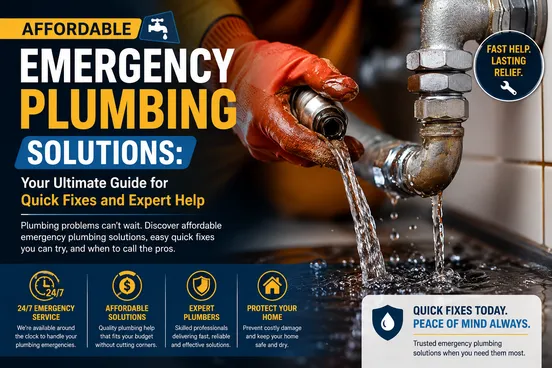
Plumbing emergencies never pick a convenient moment. A supply line bursts behind the washing machine late at night, a toilet overflows while guests are visiting, or a sewer backup hits a business restroom during the lunch rush. In those moments, what you do first matters more than almost anything else.
The difference between a manageable repair and a major restoration project usually comes down to two things: how quickly the water is stopped and how quickly a qualified plumber is on the job. This guide walks homeowners, landlords and business owners through how to recognize a real emergency, the damage-control steps to take right away, which quick fixes are safe to try, how to keep emergency costs in check, and how to choose an emergency plumber you can trust.
What Counts as a Plumbing Emergency?
An emergency is any plumbing problem that is actively causing damage, creates a health or safety hazard, or cuts off an essential service like water or sanitation. These situations get worse by the minute and should not wait for a regular appointment. Common examples include:
- Burst or broken pipes with water spraying or pooling inside walls, ceilings or living spaces.
- Major leaks you cannot stop with a local fixture valve.
- Sewage backups into tubs, showers, floor drains or toilets.
- Several drains backing up at once, which usually points to a blocked main line.
- Complete loss of water to the home or building.
- Water heater failures that are leaking heavily, or any water heater with a gas smell.
- Water near electrical outlets, panels or appliances.
- Signs of a hidden leak such as a warm spot on a tile floor, the sound of running water when everything is off, or a water meter that keeps spinning.
If you smell gas: do not switch lights or appliances on or off, and do not try to find the leak yourself. Get everyone out of the building, then call your gas utility or 911 from a safe distance. A gas leak is a safety emergency first and a plumbing repair second.
Emergency Now or Appointment Later?
Call right away
- Active flooding or spraying water
- Sewage coming up into the building
- No water at all
- Leaks near electrical equipment
- Gas odor near a water heater
Usually can wait
- A dripping faucet
- A single slow drain
- A running toilet
- A small leak caught in a bucket
- Low pressure at one fixture
When you are unsure, call and describe what you see. Small problems can escalate quickly, and a plumber can help you decide whether it needs attention tonight or can be scheduled.
Your First Steps: Damage Control
Before help arrives, a few quick actions can limit the damage dramatically:
- Shut off the water. For a single fixture, use the small valve under the sink or behind the toilet. For anything bigger, close the main shutoff. In many Florida homes it sits near the water meter by the street, where the line enters the house, or in the garage.
- Cut power where water is present. If water is near outlets, appliances or the electrical panel, turn off those circuits at the breaker, but only if you can reach the panel without standing in water.
- Turn off the water heater. If the main water is off for long or the heater itself is leaking, switch an electric unit off at the breaker or set a gas unit to "pilot" or "off."
- Drain the lines. After the main is closed, open the lowest faucets in the building to relieve pressure and empty the water still in the pipes.
- Protect belongings. Move electronics, documents, rugs and furniture out of harm's way, and start removing standing water with towels or a wet vacuum.
- Document the damage. Take photos and video for your insurance claim, but never put property ahead of personal safety.
- Clear a path. Make sure the plumber can reach the problem area, the shutoff and any cleanouts so work can start as soon as they arrive.
Do this today, not during an emergency: find your main water shutoff, make sure it turns, and show everyone in the household or on your staff where it is. Keep a meter key or valve wrench nearby if your shutoff is at the meter box. Those few minutes of preparation are some of the most valuable plumbing work you will ever do.
Safe Quick Fixes You Can Try
Some situations can be stabilized or even resolved without a technician. These are stopgaps, not permanent repairs.
Burst or Leaking Pipe
Shut off the water first. For a pinhole or small split, a rubber patch with a hose clamp, pipe repair tape or an epoxy putty made for plumbing can slow or stop the leak long enough to get a professional repair scheduled. Do not rely on them for long, and do not turn the main back on until you are sure the patch holds.
Clogged Sink or Toilet
Use the right plunger: a cup plunger for sinks and a flange plunger for toilets. Seal the opening completely and use steady, rhythmic strokes rather than violent force. If the toilet bowl is close to overflowing, close the supply valve behind it and lift the flapper back down in the tank. Skip chemical drain openers during an emergency. They can splash, release fumes, damage older pipes and make the job more dangerous for the plumber who arrives later.
Overflowing Fixture or Appliance
Close the supply valve to the fixture, washing machine or ice maker, unplug the appliance if it is safe to do so, and contain the water. A burst washing machine hose is a classic cause of indoor flooding, so check those hoses for cracks and bulges during routine cleaning.
Leaking Water Heater
Turn off power or gas to the unit and close the cold-water valve on top of the tank. A drip from the relief valve line may only need adjustment, but a leak from the tank itself usually means the tank has failed. Call for water heater repair or replacement.
Basic DIY Safety
- Never work around standing water while the power is on.
- Wear gloves and eye protection, especially around sewage or dirty water.
- Never attempt repairs on gas lines or electrical connections.
- If a fix is not working, stop. Repeated attempts can turn a clean break into a messy one.
When to Stop and Call a Professional
Some emergencies are beyond any homeowner toolkit. Call a licensed plumber when you are dealing with:
- Sewage backups. Contaminated water is a health hazard and needs proper cleanup along with clearing the line. Recurring backups may need sewer line repair.
- Main-line clogs. When several fixtures back up together, the blockage is beyond the reach of a plunger. Professional drain cleaning equipment is needed.
- Hidden leaks. Leaks in walls or under a concrete slab require professional leak detection to locate without tearing out more than necessary. Many Suncoast homes are built on slabs, so a warm floor or unexplained water bill is worth a call about slab leak repair.
- Water heater, gas or electrical involvement. These carry real safety risks and require licensed work.
- Main supply line breaks. Repairs that involve digging or the line from the meter are a job for a contractor with the right tools and permits.
Pushing a repair past your skill level can make the damage worse, create code problems, and complicate an insurance claim. A licensed plumber also knows local code and permit requirements, so the repair holds up when you sell or refinance.
What Happens When You Call an Emergency Plumber
A professional emergency call usually follows a clear sequence:
- Triage on the phone. You describe what is happening, and you get guidance on damage control, such as which valve to close or whether to keep people away from an area, while the technician is on the way.
- Diagnosis on site. The plumber finds the actual cause, not just the visible symptom. Depending on the problem that may involve camera inspection of drain and sewer lines, electronic leak detection or pressure testing.
- Options and a written quote. You hear what the repair involves and get a written quote before work starts, so there are no surprises.
- Stabilize, then repair. Sometimes the fix is completed on the spot. Other times the first step is a safe temporary repair to stop the damage, followed by a permanent repair or replacement at a scheduled time.
- Prevention advice. A good plumber explains why it happened and what would keep it from happening again.
Keeping Emergency Costs Under Control
Emergency work often costs more than a scheduled visit because it happens after hours and on short notice. The final bill depends on the time of the call, how complex the repair is, how hard the problem area is to reach, and what parts and materials are needed. A few habits keep that number reasonable:
- Stop the water fast. Water that never escapes the pipe never needs to be dried out or repaired. Knowing your shutoff is the single biggest cost saver.
- Ask for a written quote first. Understand the scope before work begins, and ask whether a temporary fix now and a permanent repair during regular hours makes sense.
- Choose a plumber before you need one. Comparing companies during a calm week is far easier than searching in the middle of the night.
- Document for insurance. Photos, video and the plumber's written description of the cause help support a claim when damage is covered by your policy.
- Prevent instead of react. Inspections and routine maintenance cost far less than emergency repairs plus water damage cleanup.
How to Choose an Emergency Plumber
The time to choose an emergency plumber is before the pipe bursts. Look for:
- A valid license and insurance. In Florida you can verify a plumbing contractor's license with the state licensing board. Insurance protects you if something goes wrong during the repair.
- Real after-hours availability. Make sure an emergency call reaches someone who can actually dispatch help, not an answering service that books you for next week.
- Written quotes before work. A reputable plumber explains the problem and the price before starting.
- Experience with your property type. Older homes, slab foundations, condos and commercial buildings each come with their own challenges.
- Clear communication. You should understand what was wrong, what was done and what, if anything, still needs attention.
Good questions to ask: Are you licensed and insured? Who answers emergency calls after hours? Will I get a written quote before you start? Have you handled this kind of problem in a property like mine?
Preventing the Next Emergency
Most emergencies give warning signs first. Regular attention catches them early:
- Schedule a plumbing inspection periodically, more often for busy commercial buildings and rental properties.
- Keep drains clear of grease, wipes and debris, and schedule professional cleaning for lines that clog repeatedly.
- Have your water heater checked and flushed. Hard water leaves sediment that shortens tank life.
- Check under sinks, behind toilets and around appliances for drips, corrosion and swollen cabinet floors.
- Watch for slow drains, gurgling, sudden pressure changes, discolored water or unusually high water bills.
- Before hurricane season, know your shutoffs and keep cleanouts and outdoor drains clear. Salt air in coastal areas can also corrode exposed fittings and valves faster.
- If you own a seasonal or rental home, shut off the main water before leaving for extended periods and have someone check the property.
- In older homes with recurring leaks, ask whether whole-home repiping makes more sense than another patch.
For businesses, add a written emergency plan: where the shutoffs are, who calls the plumber, and how affected areas get closed off. Restaurants, offices and multi-unit buildings can find more help on our commercial plumbing page.
Plumbing emergency right now? TK Plumbing is a licensed and insured, family-run plumbing contractor serving Sarasota, Bradenton and the Suncoast, and we take emergency calls 24/7. Call 941-392-3846, learn more about our emergency plumbing services, or contact us to schedule an inspection that helps prevent the next one. You always get a written quote before work begins.