
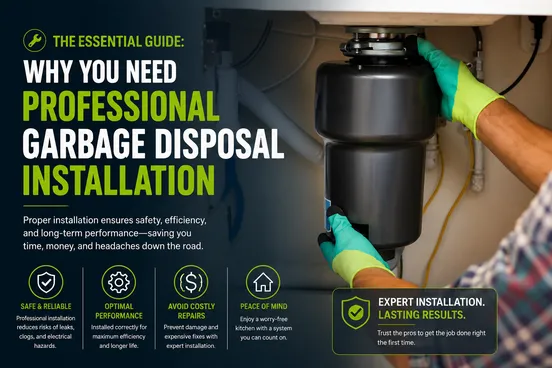
The Essential Guide: Why You Need Professional Garbage Disposal Installation
Introduction
In today's modern kitchen, a garbage disposal has become more than just a convenience—it's an essential appliance that transforms how we handle food waste and maintain kitchen hygiene. Whether you're a homeowner looking to upgrade your kitchen, a property manager maintaining multiple units, or a restaurant owner seeking efficient waste management solutions, understanding why you need professional garbage disposal installation is crucial for long-term success and safety.
The functionality of your garbage disposal system directly impacts your daily operations, from simple meal cleanup to managing high-volume food waste in commercial settings. When properly installed by qualified professionals, these units provide years of reliable service, reduce environmental waste, and prevent costly plumbing emergencies. However, the difference between a successful installation and a problematic one often lies in the expertise and experience of the installer.
Common issues with improper installations include electrical hazards, plumbing leaks, inadequate mounting that leads to unit failure, and violations of local building codes that can result in fines or insurance complications. These problems frequently stem from DIY attempts or hiring unqualified contractors who lack the specialized knowledge required for safe, compliant installations. Professional plumbing services ensure that your investment is protected and your system operates efficiently from day one, making the choice of installer one of the most important decisions in your kitchen renovation or maintenance project.
Understanding Garbage Disposals
Garbage disposals operate through a sophisticated yet straightforward mechanism that efficiently breaks down food waste into particles small enough to flow through your plumbing system. The unit consists of a motor-driven grinding chamber containing rotating impellers that force food waste against a stationary grinding ring. This process pulverizes the waste into fine particles that mix with water and flow safely through your drainage system to the municipal sewage treatment facility.
The grinding chamber design varies significantly among manufacturers, with some featuring reversible motors that help clear jams automatically, while others rely on manual jam-clearing mechanisms. Understanding these operational differences becomes crucial when selecting the right unit for your specific needs and usage patterns. Professional installers possess comprehensive knowledge of these mechanical variations and can recommend the most suitable option based on your household size, cooking habits, and plumbing configuration.
Several types of garbage disposals are available in today's market, each designed for different applications and usage levels. Continuous feed disposals, the most common residential option, operate while water flows and allow users to add food waste gradually during operation. Batch feed models require users to load waste before operation and use a special stopper to activate the unit, providing enhanced safety features ideal for households with children. Commercial-grade units feature more powerful motors, reinforced grinding components, and extended warranties to handle high-volume operations in restaurants, cafeterias, and multi-unit residential buildings.
Common misconceptions about garbage disposals often lead to improper usage and premature failure. Many people believe these units can handle any food waste, including bones, grease, and fibrous materials, when in reality, such items can cause severe damage and costly repairs. Another widespread myth suggests that garbage disposals require minimal maintenance, leading users to neglect regular cleaning and inspection routines that extend unit lifespan and prevent common plumbing issues.
Benefits of Professional Installation
Professional garbage disposal installation ensures compliance with local building codes and safety regulations that vary significantly across different municipalities and jurisdictions. Licensed plumbers understand these requirements intimately and ensure your installation meets all necessary standards, protecting you from potential fines, insurance complications, and safety hazards. These codes address crucial aspects including electrical connections, plumbing integration, and proper venting requirements that amateur installers often overlook or misunderstand.
Expertise in electrical connections represents one of the most critical advantages of professional installation services. Garbage disposals require dedicated electrical circuits with proper GFCI protection, and improper wiring can result in electrical fires, electrocution hazards, or damage to your home's electrical system. Professional installers possess the necessary electrical knowledge and licensing to ensure safe, code-compliant connections that protect your property and family while providing reliable operation for years to come.
Avoiding costly mistakes from DIY installations saves homeowners and property managers significant money in both immediate repairs and long-term maintenance costs. Common DIY errors include improper mounting that leads to unit detachment, incorrect plumbing connections that cause leaks and water damage, and inadequate electrical work that creates fire hazards. Professional installers bring specialized tools, extensive experience, and comprehensive knowledge that prevents these expensive mistakes while ensuring optimal performance from your new garbage disposal.
Warranty protection for both the disposal unit and installation work provides invaluable peace of mind and financial protection for your investment. Manufacturer warranties often require professional installation to remain valid, and attempting DIY installation can void these protections entirely. Additionally, reputable plumbing companies provide installation warranties that cover their workmanship, ensuring that any issues arising from the installation process are resolved at no additional cost. This dual warranty protection significantly reduces your financial risk and ensures professional support throughout your unit's operational lifespan, making professional installation an wise investment that pays dividends through enhanced reliability and reduced maintenance costs.
Signs You Need a New Garbage Disposal
Frequent jams and clogs indicate that your garbage disposal has reached the end of its effective operational life and requires replacement rather than continued repairs. While occasional jams are normal, especially when inappropriate items accidentally enter the unit, persistent jamming suggests worn grinding components, motor deterioration, or internal damage that cannot be economically repaired. These recurring issues often worsen over time, leading to complete unit failure and potential damage to your plumbing system that requires extensive professional intervention.
Modern garbage disposals typically last eight to fifteen years with proper maintenance, but units experiencing frequent operational problems may need replacement much sooner. Professional assessment can determine whether recurring jams result from user error, inadequate unit capacity for your household needs, or genuine mechanical failure requiring replacement. Property managers and commercial operators should pay particular attention to jam frequency, as high-volume usage accelerates wear and may necessitate more frequent replacement cycles to maintain operational efficiency.
Unusual noises and odors emanating from your garbage disposal often signal serious internal problems that indicate the need for unit replacement. Normal operational sounds include a steady humming during grinding and brief rattling when processing harder materials, but persistent grinding, squealing, or metallic scraping sounds suggest bearing failure, motor problems, or damaged grinding components. These mechanical issues rarely justify repair costs, especially in older units where replacement provides better long-term value.
Persistent odors despite regular cleaning and maintenance indicate bacterial buildup in areas that cannot be effectively cleaned or structural damage that prevents proper waste removal. Professional plumbers can distinguish between odors caused by maintenance issues and those indicating serious problems requiring unit replacement. Foul smells may also suggest inadequate grinding capability that leaves food particles trapped within the unit, creating unsanitary conditions and potential health hazards.
Inefficient grinding capabilities manifest as longer processing times, incomplete waste breakdown, or frequent backup of food particles into the sink. These symptoms indicate worn grinding components, reduced motor power, or internal damage that prevents proper operation. Commercial establishments and high-usage residential applications should monitor grinding efficiency closely, as reduced performance impacts operational efficiency and may indicate the need for higher-capacity units better suited to current usage demands.
Why DIY Can Be Risky
Potential plumbing errors during DIY garbage disposal installation can result in catastrophic water damage, expensive repairs, and violations of local building codes that create legal and insurance complications. Improper connection to existing plumbing systems may cause persistent leaks that damage cabinets, flooring, and structural components while creating conditions conducive to mold growth and other health hazards. These plumbing mistakes often remain hidden for weeks or months before becoming apparent, by which time significant damage has already occurred.
Amateur installers frequently underestimate the complexity of integrating garbage disposals with existing drainage systems, particularly in older homes where plumbing configurations may not accommodate modern units without significant modifications. Incorrect pipe sizing, improper slope calculations, and inadequate sealing techniques represent common errors that compromise system integrity and lead to persistent operational problems. Professional plumbers possess the specialized knowledge and experience necessary to identify potential compatibility issues and implement appropriate solutions that ensure reliable, leak-free operation.
Inadequate knowledge of electrical connections poses serious safety risks that can result in electrocution, electrical fires, and damage to your home's electrical system. Garbage disposals require dedicated circuits with proper amperage ratings, GFCI protection, and appropriate switch configurations that amateur installers often misunderstand or implement incorrectly. Electrical work performed without proper licensing and permits may violate local codes and create insurance coverage issues in the event of fire or other electrical-related damage.
The complexity of modern electrical codes and safety requirements demands professional expertise that ensures safe, compliant installations protecting your property and family. Improper electrical connections may function initially but deteriorate over time, creating hidden hazards that manifest as electrical fires, equipment damage, or personal injury. Professional electricians and licensed plumbers understand these requirements and possess the necessary tools and knowledge to implement safe, code-compliant electrical connections.
Risk of voiding warranties represents a significant financial consideration that makes DIY installation economically unwise for most applications. Manufacturer warranties typically require professional installation performed by licensed contractors, and attempting DIY installation immediately voids these protections regardless of installation quality.
Additionally, homeowner's insurance policies may not cover damage resulting from DIY installations performed without proper permits and inspections, creating additional financial exposure that far exceeds the cost of professional installation services.
Choosing the Right Professional Service
Selecting qualified professional plumbing services requires careful evaluation of credentials, experience, and reputation to ensure successful garbage disposal installation and long-term satisfaction with your investment. Licensed plumbers must demonstrate comprehensive knowledge of local building codes, safety regulations, and installation techniques through rigorous testing and continuing education requirements that ensure current expertise in evolving industry standards and best practices.
When evaluating potential plumbing contractors, verify current licensing status with your state's licensing board and confirm that their coverage includes garbage disposal installation and related electrical work. Some jurisdictions require separate electrical licensing for disposal installations, so ensure your chosen contractor possesses all necessary qualifications or partners with appropriately licensed electricians to complete the entire installation process safely and legally.
Insurance coverage represents another crucial factor in contractor selection, as adequate liability and workers' compensation insurance protects you from financial responsibility in case of accidents, property damage, or installation errors. Request proof of current insurance coverage and verify policy details with the insurance provider to confirm adequate protection levels and policy validity. Uninsured contractors may offer lower prices but expose you to significant financial risk that far exceeds any potential savings.
Questions to ask potential plumbers should focus on their specific experience with garbage disposal installation, familiarity with your disposal brand and model, and their approach to addressing common installation challenges. Inquire about their warranty policies, both for parts and labor, and understand what circumstances might void warranty coverage. Professional contractors should provide detailed written estimates that clearly outline all work to be performed, materials to be provided, and associated costs without hidden fees or surprise charges.
Ask about their process for obtaining necessary permits and scheduling required inspections, as professional contractors handle these administrative requirements as part of their service. Inquire about their availability for emergency service calls and ongoing maintenance support, as establishing a relationship with a reliable plumbing service provides long-term value beyond the initial installation project.
Customer reviews and testimonials provide valuable insights into contractor reliability, work quality, and customer service standards that help predict your likely experience with their services. Focus on reviews that specifically mention garbage disposal installation projects and pay attention to comments about timeliness, cleanliness, communication, and problem resolution. Professional contractors should readily provide references from recent clients and encourage you to contact previous customers to discuss their experiences and satisfaction levels with the completed work.
The Installation Process: What to Expect
Pre-installation inspection and consultation represent critical first steps in professional garbage disposal installation that ensure optimal unit selection, identify potential complications, and establish realistic project timelines and costs. Experienced plumbers evaluate your existing plumbing configuration, electrical systems, and cabinet space to determine compatibility with various disposal models and identify any necessary modifications or upgrades required for successful installation.
During this initial assessment, professionals examine your current sink configuration, drainage connections, and electrical supply to ensure adequate capacity and proper positioning for the new unit. They also assess cabinet space beneath the sink to confirm adequate clearance for the disposal unit and associated plumbing connections. This thorough evaluation prevents costly surprises during installation and ensures that all necessary materials and permits are obtained before work begins.
The consultation phase allows you to discuss your specific needs, usage patterns, and preferences with the installer, enabling them to recommend the most appropriate disposal model for your application. Professional installers can explain the advantages and disadvantages of different unit types, motor sizes, and feature options to help you make an informed decision that balances performance requirements with budget considerations.
The step-by-step installation process begins with safely disconnecting electrical power and water supply to the work area, followed by removal of existing plumbing connections and disposal unit if applicable. Professional installers use specialized tools to safely disconnect electrical connections and carefully remove old units without damaging surrounding plumbing or cabinet components.
Next, they install the mounting assembly that secures the new disposal unit to the sink drain, ensuring proper alignment and secure attachment that prevents future loosening or detachment. This mounting process requires precise measurement and adjustment to ensure optimal positioning and reliable long-term performance.
Electrical connections follow strict safety protocols and local code requirements, with professionals installing dedicated circuits, GFCI protection, and appropriate switch configurations as needed. They carefully route wiring to prevent damage and ensure safe, accessible connections that facilitate future maintenance or replacement needs.
Plumbing connections integrate the new disposal with existing drainage systems, including proper connection to dishwasher drain lines where applicable. Professional installers ensure proper pipe sizing, adequate slope for drain cleaning and management, and secure connections that prevent leaks and operational problems.
Post-installation services include comprehensive testing of all electrical and plumbing connections, verification of proper operation, and cleanup of the work area. Professional installers provide detailed operating instructions, maintenance recommendations, and warranty information to ensure optimal performance and longevity of your new garbage disposal system.
Conclusion
Understanding why you need professional garbage disposal installation becomes clear when considering the complex technical requirements, safety considerations, and long-term performance implications involved in these projects. Professional installation ensures compliance with local building codes, proper electrical connections, and reliable plumbing integration that protects your investment while providing years of trouble-free operation. The expertise that licensed professionals bring to these installations far exceeds the capabilities of most DIY enthusiasts and provides invaluable peace of mind through comprehensive warranty coverage.
The risks associated with amateur installation attempts, including electrical hazards, plumbing leaks, and warranty voidance, create financial exposure that far exceeds the cost of professional services. When you factor in the potential for property damage, code violations, and insurance complications, professional installation represents not just the safer choice, but the more economical option that protects your investment and ensures optimal performance.
Professional plumbing services offer the specialized knowledge, proper tools, and extensive experience necessary to handle the complexities of modern garbage disposal installation while ensuring compliance with evolving safety standards and building codes. Their comprehensive approach addresses every aspect of the installation process, from initial assessment and unit selection through final testing and customer education, providing a complete solution that delivers lasting value and reliability.
Ready to experience the benefits of professional garbage disposal installation? Contact TK Plumbing today at 9413923846 to schedule your consultation and discover why homeowners, property managers, and commercial clients throughout the area trust our expertise for their plumbing installation needs. Visit https://tkplumbing941.com/ to learn more about our comprehensive plumbing services and schedule your professional installation today.