
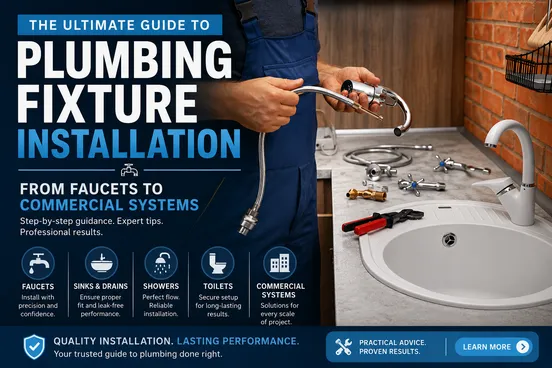
The Ultimate Fixture Installation Guide for Homeowners and Businesses
Introduction
Proper fixture installation forms the foundation of any reliable plumbing system, whether you're managing a residential property, commercial building, or industrial facility. This comprehensive fixture installation guide addresses the critical aspects of installing plumbing fixtures correctly, ensuring long-term functionality and preventing costly repairs down the line.
Modern plumbing fixtures represent significant investments for property owners, ranging from basic faucets and toilets to sophisticated commercial-grade installations. Understanding the installation process helps homeowners make informed decisions about DIY projects versus professional installation, while property managers and business owners can better assess project timelines and requirements.
This guide covers essential fixtures including faucets, sinks, toilets, showerheads, bathtubs, and commercial sprinkler systems. We'll explore preparation requirements, step-by-step installation processes, maintenance protocols, and emergency procedures that every property owner should understand.
Whether you're a homeowner planning a bathroom renovation, a property manager overseeing multiple units, or a business owner upgrading commercial facilities, this fixture installation guide provides valuable insights into proper installation techniques. From basic faucet installation to complex shower fixture installation, we'll examine the tools, materials, and expertise required for successful projects.
Understanding these fundamentals helps you recognize when professional assistance is necessary and ensures your plumbing installations meet safety standards and local building codes for optimal performance and longevity.
Types of Plumbing Fixtures
Faucets and Mixing Valves
Faucets represent the most commonly replaced plumbing fixtures in residential and commercial settings. Modern faucets include single-handle, double-handle, touchless, and commercial-grade options designed for specific applications. Kitchen faucets typically feature pull-down or pull-out sprayers, while bathroom faucets prioritize aesthetic appeal and water conservation. Commercial faucets must withstand heavy usage and often incorporate hands-free operation for hygiene compliance in restaurants and healthcare facilities.
Sinks and Basins
Sink installations vary significantly between residential and commercial applications. Residential sinks include undermount, drop-in, farmhouse, and vessel styles, each requiring specific installation techniques. Commercial sinks often feature multiple compartments, specialized drainage systems, and industrial-grade materials. Proper sink installation involves securing mounting hardware, connecting supply lines, and ensuring proper drainage slope to prevent standing water and bacterial growth.
Toilet Systems
Toilet installation guide requirements differ based on fixture type and location. Standard residential toilets include one-piece and two-piece designs, while commercial installations often require wall-mounted or high-efficiency models. Proper toilet installation involves securing the wax ring seal, connecting water supply lines, and ensuring proper floor mounting to prevent leaks and structural damage. Commercial toilets may require specialized mounting systems and compliance with ADA accessibility requirements.
Showerheads and Shower Systems
Shower fixture installation ranges from simple showerhead replacements to complex multi-head systems with digital controls. Standard installations involve connecting to existing shower arms, while custom systems require new plumbing runs and valve installations. Commercial shower systems in gyms or hotels often feature vandal-resistant designs and water-saving technologies. Proper installation ensures adequate water pressure and prevents leaks within wall cavities.
Bathtubs and Soaking Systems
Bathtub installations represent complex projects requiring structural support, waterproofing, and precise plumbing connections. Alcove tubs fit between three walls, while freestanding models require floor-mounted or wall-mounted faucets. Commercial installations in hotels or healthcare facilities often feature accessibility features and specialized drainage systems for rapid emptying.
Sprinkler and Irrigation Systems
Commercial sprinkler systems require specialized installation knowledge and compliance with fire safety codes. These systems involve complex valve networks, pressure requirements, and testing protocols. Irrigation sprinklers for landscaping require different installation techniques, focusing on coverage patterns and water conservation rather than fire suppression capabilities.
Preparation for Installation
Essential Tools and Materials
Successful plumbing installation begins with assembling the proper tools and materials. Basic installations require adjustable wrenches, pipe wrenches, channel-lock pliers, and screwdrivers. Specialized tools include basin wrenches for tight spaces, pipe cutters for supply line modifications, and torque wrenches for precise fitting connections. Teflon tape, pipe joint compound, and plumber's putty ensure leak-free connections.
Advanced installations may require soldering equipment for copper connections, PEX crimping tools for modern supply lines, or specialized wrenches for compression fittings. Commercial installations often demand professional-grade tools including pipe threading machines, pressure testing equipment, and code-compliant materials that meet local building standards.
Critical Safety Measures
Safety protocols protect both installers and property occupants during plumbing installation projects. Always shut off water supply at the main valve or fixture shutoffs before beginning work. Test electrical circuits near installation areas to prevent shock hazards, especially when working with powered fixtures or garbage disposals. Wear safety glasses when cutting pipes or working with chemicals.
Proper ventilation prevents exposure to solder fumes or adhesive vapors during installation. Commercial projects may require additional safety measures including confined space protocols, fall protection, and coordination with other trades to prevent accidents.
Understanding Water Supply and Drainage Systems
Successful fixture installation requires understanding existing plumbing infrastructure. Identify supply line materials, sizes, and pressure ratings to ensure compatibility with new fixtures. Copper, PEX, and CPVC supply lines each require specific connection methods and fittings. Water pressure testing helps determine if existing systems can support new fixture demands.
Drainage systems must accommodate fixture requirements including proper slope for waste removal and venting for trap seal protection. Understanding local plumbing codes ensures installations meet minimum standards for pipe sizing, venting requirements, and fixture spacing. Commercial installations often require larger capacity systems and specialized waste handling for grease traps or chemical drainage.
Step-by-Step Installation Process
Installing Faucets
Faucet installation begins with removing existing fixtures and cleaning mounting surfaces. For kitchen faucets, disconnect supply lines and remove mounting nuts from beneath the sink. Clean mineral deposits from mounting holes and inspect supply valves for proper operation. New faucet installation requires positioning the fixture properly and securing mounting hardware according to manufacturer specifications.
Connect supply lines using appropriate fittings for your plumbing system. Flexible braided supply lines work well for most residential applications, while commercial installations may require rigid connections for durability. Apply thread sealant to prevent leaks and hand-tighten connections before using wrenches for final positioning. Test water flow and temperature mixing to ensure proper operation.
Bathroom faucet installation follows similar procedures but often involves different mounting configurations. Single-hole faucets require precise positioning, while widespread models need accurate spacing between components. Wall-mounted faucets demand careful measurement and may require valve body adjustments within the wall cavity.
Installing Sinks
Sink installation varies significantly based on mounting style and location. Undermount sinks require secure attachment to countertop undersides using specialized brackets and adhesives. The installation process involves positioning the sink precisely, applying sealant around the perimeter, and securing mounting clips at regular intervals.
Drop-in sink installation involves cutting accurate openings in countertops and supporting the sink rim on the surface. Apply plumber's putty around the rim before positioning to create watertight seals. Secure mounting clips underneath to prevent movement during use.
Commercial sink installations often require additional considerations including grease trap connections, specialized drainage systems, and compliance with health department requirements. Multi-compartment sinks need precise leveling to ensure proper drainage flow between sections.
Installing Toilets
Toilet installation procedures begin with preparing the floor flange and ensuring proper alignment with waste lines. Install a new wax ring on the flange, positioning it carefully to create an effective seal. Some installations benefit from double wax rings or flangeless wax rings depending on flange height and toilet design.
Position the toilet carefully over the flange, aligning mounting bolts with holes in the toilet base. Press down firmly and evenly to compress the wax ring without shifting the toilet position. Install washers and nuts on mounting bolts, tightening gradually in an alternating pattern to prevent cracking.
Connect the water supply line to the toilet tank, ensuring proper alignment and using appropriate fittings. Fill the tank and test flush operation, adjusting the chain length and float position as needed. Check for leaks around the base and supply connection, tightening fittings if necessary.
Commercial toilet installation may require wall-mounted systems with concealed tanks and specialized mounting hardware. These installations demand precise measurements and structural support to handle repeated use in high-traffic environments.
Installing Showerheads and Bathtubs
Shower fixture installation begins with identifying existing plumbing configurations and determining compatibility with new fixtures. Simple showerhead replacement involves unscrewing the existing unit and applying thread sealant to the shower arm threads. Position the new showerhead and tighten by hand before using a wrench for final positioning.
Complex shower systems require valve body installation within wall cavities and may involve rerouting supply lines for multiple outlets. These installations often require professional expertise to ensure proper pressure balancing and code compliance. Thermostatic mixing valves prevent scalding and may be required in commercial applications.
Bathtub installation represents one of the most complex plumbing projects, requiring structural modifications, waterproofing, and precise plumbing connections. Alcove installations involve positioning the tub against framing and connecting drain assemblies before installing surrounding walls. Freestanding tubs require floor-mounted or wall-mounted faucets with supply lines routed through floors or walls.
Common Issues and Troubleshooting Tips
Installation problems often stem from incompatible components, improper measurements, or inadequate preparation. Low water pressure may indicate clogged aerators, undersized supply lines, or pressure regulator issues. Addressing these problems requires systematic diagnosis and appropriate corrective measures.
Leak prevention focuses on proper thread sealing, appropriate torque application, and quality components. Over-tightening can damage threads or crack fixtures, while insufficient tightening allows leaks to develop. Use thread sealant appropriate for your plumbing system and follow manufacturer torque specifications.
Drainage problems often result from improper slope, inadequate venting, or debris in lines. Ensure proper drain assembly installation and test drainage flow before completing installations. Commercial installations may require specialized drainage solutions for grease removal or chemical neutralization.
Maintenance Tips for Plumbing Fixtures
Regular Inspection and Cleaning Protocols
Effective plumbing maintenance begins with establishing regular inspection schedules for all fixtures. Monthly visual inspections help identify early signs of wear, corrosion, or leaks before they develop into costly repairs. Check faucet aerators for mineral buildup, inspect toilet tank components for proper operation, and examine supply line connections for signs of moisture or corrosion.
Cleaning procedures vary by fixture type and usage patterns. Kitchen faucets require frequent cleaning to remove grease and food residues that can harbor bacteria. Use appropriate cleaning products that won't damage fixture finishes or internal components. Commercial fixtures in restaurants or healthcare facilities may require daily sanitization using approved disinfectants.
Identifying Early Warning Signs
Recognizing early indicators of fixture problems prevents emergency situations and extends equipment life. Decreased water pressure may indicate aerator clogs, valve wear, or supply line restrictions. Unusual sounds during operation often signal loose components, water hammer issues, or impending component failure.
Water quality changes including discoloration, odors, or taste variations may indicate internal fixture deterioration or supply line problems. Commercial properties should establish water quality testing protocols to ensure compliance with health regulations and identify system problems early.
Professional Service Scheduling
Establishing relationships with qualified plumbing professionals ensures prompt service when problems arise. Schedule annual inspections for commercial properties and bi-annual checks for residential systems. Professional maintenance includes pressure testing, valve adjustments, and component replacements that extend fixture life and maintain optimal performance.
Document all maintenance activities and fixture performance to identify patterns and plan replacement schedules. This information helps budget for future upgrades and ensures compliance with warranty requirements for commercial equipment.
Emergency Situations
Immediate Response to Plumbing Emergencies
Plumbing emergencies require swift action to minimize property damage and restore functionality. The first priority involves stopping water flow by shutting off supply valves at affected fixtures or the main water supply if multiple fixtures are involved. Locate shut-off valves before emergencies occur and ensure all property occupants know their locations.
Emergency plumbing tips include keeping basic tools and materials readily available for temporary repairs. Pipe repair clamps, waterproof tape, and adjustable wrenches can provide temporary solutions until professional help arrives. Commercial properties should maintain emergency supply kits and establish protocols for after-hours situations.
Water Supply Control Procedures
Understanding your property's water supply system enables quick response during emergencies. Main shut-off valves are typically located near water meters or where supply lines enter buildings. Individual fixture shut-offs allow targeted response without disrupting entire systems. Test these valves periodically to ensure proper operation when needed.
Commercial properties often have complex water supply systems with multiple zones and emergency shut-offs. Property managers should maintain current system diagrams and ensure maintenance staff understand emergency procedures. Automatic shut-off systems can minimize damage from major leaks or pipe failures.
Professional Emergency Services
Establish relationships with qualified emergency plumbing services before problems arise. TK Plumbing provides 24/7 emergency response for residential and commercial customers, ensuring prompt professional assistance when critical situations develop. Emergency services include leak detection, pipe repair, and temporary solutions that restore essential functions quickly.
Document emergency contact information and keep it readily accessible to all property occupants. Include primary and backup service providers, utility companies, and insurance contacts for comprehensive emergency response. Quick professional response minimizes damage and reduces overall repair costs.
Conclusion
This comprehensive fixture installation guide demonstrates the complexity and importance of proper plumbing installation techniques for residential and commercial properties. From basic faucet installation to complex commercial systems, understanding these processes helps property owners make informed decisions about DIY projects versus professional installation requirements.
Successful plumbing installation requires proper preparation, quality materials, appropriate tools, and adherence to safety protocols. While some projects suit experienced DIY enthusiasts, many installations benefit from professional expertise to ensure code compliance, optimal performance, and long-term reliability. Commercial installations particularly require specialized knowledge and compliance with complex regulations.
Regular maintenance and prompt attention to problems extend fixture life and prevent costly emergency repairs. Establishing relationships with qualified professionals ensures access to expert assistance when needed, protecting your property investment and maintaining optimal system performance.
Whether you're planning a simple fixture upgrade or complex commercial installation, professional guidance ensures successful outcomes and prevents costly mistakes that compromise system integrity.
Ready to ensure your plumbing fixtures are installed correctly and maintained properly? Contact TK Plumbing at (941) 392-3846 or visit tkplumbing941.com for expert installation services, emergency repairs, and comprehensive plumbing maintenance. Our experienced team serves homeowners, property managers, and commercial clients throughout the region with professional, reliable service you can trust.