
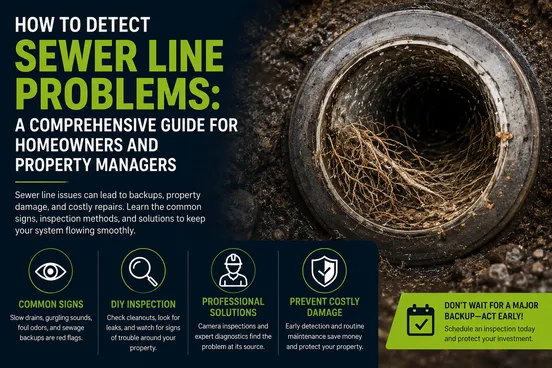
How to Detect Sewer Line Problems: A Comprehensive Guide for Homeowners and Property Managers
Sewer line problems can transform from minor inconveniences into costly disasters within a matter of hours. For homeowners, property managers, and commercial building owners, understanding how to detect sewer line problems early can save thousands of dollars in emergency repairs and prevent significant property damage. Your sewer system operates silently beneath the surface, carrying waste away from your property day after day. When this critical infrastructure begins to fail, the consequences extend far beyond simple plumbing inconveniences.
Modern properties rely heavily on properly functioning sewer systems to maintain sanitary conditions and protect public health. Whether you manage a single-family home, oversee multiple rental properties, or operate a commercial facility, recognizing the early warning signs of sewer line deterioration is essential for maintaining property value and ensuring tenant satisfaction. The complexity of underground sewer systems means that problems often develop gradually, making early detection both challenging and crucial for preventing catastrophic failures that require extensive excavation and repair work.
Understanding Sewer Line Problems
Sewer line maintenance represents one of the most critical yet overlooked aspects of property management. These underground pipes face constant pressure from wastewater flow, soil movement, temperature fluctuations, and the natural aging process. Understanding how to detect sewer line problems begins with recognizing the various factors that contribute to system deterioration and the warning signs that indicate potential issues.
The most common causes of sewer line problems include tree root intrusion, pipe corrosion, ground settling, and blockages from improper waste disposal. Tree roots naturally seek moisture and nutrients, making sewer lines attractive targets for root infiltration. As roots grow through pipe joints or cracks, they create significant blockages and can completely destroy pipe integrity. Older properties with clay or cast iron pipes face particular vulnerability to root intrusion, as these materials develop cracks and joints that provide easy entry points for aggressive root systems.
Pipe corrosion occurs gradually over decades, particularly in older homes with cast iron or galvanized steel sewer lines. Chemical reactions between wastewater and pipe materials create rust and deterioration that eventually leads to leaks, collapses, and complete system failure. Ground settling and soil movement can cause pipes to shift, creating misaligned joints and stress fractures that compromise the entire system. Additionally, improper disposal of grease, feminine hygiene products, paper towels, and other non-biodegradable materials creates stubborn blockages that increase pressure throughout the system.
Modern sewer systems typically last 50-100 years depending on materials and maintenance practices, but various environmental factors can significantly reduce this lifespan. Properties located in areas with expansive clay soils, frequent freeze-thaw cycles, or high water tables face accelerated deterioration rates. Regular monitoring and preventative maintenance help identify potential problems before they escalate into emergency situations requiring immediate professional intervention.
Recognizing the Symptoms of Sewer Line Issues
Learning to identify the early warning signs of sewer problems enables property owners to address issues before they become costly emergencies. These symptoms often develop gradually, making consistent observation and documentation essential for early detection and successful intervention.
Persistent foul odors around your property indicate potential sewer line breaches that allow gases to escape into the surrounding environment. Sewer gases contain hydrogen sulfide, which produces the characteristic "rotten egg" smell associated with sewage problems. These odors may appear strongest near floor drains, basement areas, or outdoor locations where sewer lines run close to the surface. Property managers should investigate any unexplained sewage odors immediately, as they often indicate serious problems requiring professional sewer line inspection.
Slow drainage affecting multiple fixtures simultaneously suggests blockages or restrictions in the main sewer line rather than individual drain problems. When toilets, sinks, and floor drains throughout the property experience reduced flow rates, the issue likely originates in the primary sewer connection. This symptom typically worsens gradually over time as blockages accumulate and restrict flow capacity. Property owners should monitor drainage patterns across all fixtures to identify system-wide problems versus isolated drain issues.
Sewage backups represent the most serious and immediate sign of sewer line failure. When wastewater returns through floor drains, toilets, or basement fixtures, the main sewer line has likely become completely blocked or severely restricted. These backups create health hazards and can cause extensive property damage requiring immediate professional intervention. Sewage backups often occur during heavy rainfall when compromised sewer lines cannot handle increased flow volumes.
Unexplained wet spots, lush vegetation patches, or settling areas in the yard may indicate underground sewer leaks. Escaping wastewater creates localized moisture that promotes plant growth and can cause soil instability. Property managers should investigate any unusual landscape changes, particularly near known sewer line routes. These symptoms often appear before indoor problems become apparent, providing early warning opportunities for proactive repairs.
Gurgling sounds from drains, toilets, or plumbing fixtures indicate air displacement caused by partial blockages or venting problems. These sounds occur when water struggles to flow past obstructions, creating air bubbles that produce distinctive gurgling noises. Multiple fixtures producing similar sounds suggest main line problems rather than individual drain issues requiring targeted intervention.
The Role of Professional Inspections
Professional sewer line inspection provides the most reliable method for accurately diagnosing system problems and developing appropriate repair strategies. Experienced plumbing professionals possess specialized equipment and expertise necessary for comprehensive system evaluation that extends far beyond surface-level symptom identification.
Knowing when to call a plumber can prevent minor issues from escalating into major emergencies requiring extensive repairs. Property owners should schedule professional inspections when experiencing multiple drainage problems, persistent odors, or any signs of sewage backup. Additionally, properties with aging sewer systems benefit from annual preventative inspections that identify potential problems before they cause system failures. Commercial properties, apartment complexes, and rental properties require more frequent professional evaluation due to higher usage rates and increased liability concerns.
Professional plumbers also provide valuable guidance for properties experiencing recurring drain problems, as these issues often indicate underlying sewer line restrictions or damage. When DIY drain cleaning efforts provide only temporary relief, professional inspection can identify root causes and develop long-term solutions. Property managers dealing with tenant complaints about plumbing problems should consider professional evaluation to determine whether issues stem from individual fixtures or system-wide problems affecting multiple units.
During a comprehensive sewer inspection, qualified technicians evaluate the entire system from interior fixtures to municipal connections. This process typically begins with detailed symptom assessment and property history review to identify potential problem areas and risk factors. Technicians examine all interior fixtures for drainage problems, unusual sounds, or other symptoms that indicate system restrictions or damage.
Professional inspections include evaluation of exterior access points, cleanouts, and visible pipe sections to identify obvious problems or maintenance needs. Experienced technicians can often identify potential issues through visual inspection of accessible system components before deploying more advanced diagnostic equipment. This preliminary assessment helps focus detailed inspection efforts on areas most likely to contain problems.
Modern sewer line inspection relies heavily on video camera technology that provides detailed visual assessment of interior pipe conditions without requiring excavation or system disruption. High-resolution cameras mounted on flexible cables travel through sewer lines, transmitting real-time images that reveal blockages, cracks, root intrusion, corrosion, and other problems. These camera inspections provide definitive diagnosis of system conditions and help technicians develop targeted repair strategies that address specific problems rather than guessing at potential causes.
Professional inspections also include detailed documentation of system conditions, problem locations, and recommended repairs. This documentation proves valuable for insurance claims, property sales, and long-term maintenance planning. Qualified technicians provide written reports with photographs and video footage that clearly illustrate system conditions and justify recommended repairs or maintenance activities.
DIY Methods to Identify Sewer Line Problems
While professional inspection provides the most comprehensive system evaluation, property owners can perform several diagnostic tests to identify potential sewer line problems and determine when professional intervention becomes necessary. These DIY methods help distinguish between minor drain issues and serious system problems requiring immediate attention.
Water flow tests provide valuable information about system capacity and potential restrictions without requiring specialized equipment or technical expertise. Begin by running water simultaneously in multiple fixtures throughout the property to observe drainage patterns and identify potential bottlenecks. Start with bathroom fixtures, running faucets, showers, and flushing toilets while monitoring drainage rates and listening for unusual sounds. Extend testing to kitchen sinks, laundry drains, and any other connected fixtures to create a comprehensive picture of system performance.
During flow testing, document any fixtures that drain slowly, produce gurgling sounds, or cause water levels to rise in other locations. These symptoms indicate potential main line restrictions that affect multiple drainage points. Pay particular attention to basement fixtures and floor drains, as these locations typically show the first signs of main line problems due to their position in the drainage system. Consistent slow drainage across multiple fixtures suggests system-wide problems requiring professional evaluation.
Checking your plumbing vent stack provides insight into system ventilation and potential blockage issues that affect drainage performance. Locate the vent stack on your roof and visually inspect the opening for obvious obstructions such as leaves, bird nests, or debris accumulation. Blocked vents create pressure imbalances that cause slow drainage, gurgling sounds, and sewer gas odors throughout the property. Clear minor obstructions carefully, but avoid attempting repairs to damaged or improperly installed vent systems without professional assistance.
Listen for unusual sounds from the vent stack during peak usage periods, as blocked or restricted vents often produce whistling or sucking noises when fixtures drain simultaneously. These sounds indicate inadequate ventilation that can worsen existing drainage problems and create additional system stress. Property owners experiencing persistent drainage issues should verify proper vent function before assuming main line problems exist.
Visual yard inspections help identify underground leaks and system damage that may not yet affect interior fixtures. Walk the property systematically, looking for unexplained wet areas, unusual vegetation growth, or ground settling that might indicate sewer line problems. Pay particular attention to areas between the house and street where main sewer lines typically run, as well as locations near large trees where root intrusion commonly occurs.
Document any unusual landscape features with photographs and note their proximity to known or suspected sewer line routes. Measure and record wet area dimensions, as expanding problems indicate active leaks requiring immediate attention. Look for areas where grass grows more vigorously or appears greener than surrounding lawn, as these patches often indicate underground moisture from leaking sewer lines.
Using a drain snake for initial assessment helps distinguish between localized drain clogs and main line restrictions. Start with the fixture experiencing the most severe drainage problems and attempt to clear obvious blockages using appropriate drain cleaning equipment. If snaking efforts successfully restore normal drainage to individual fixtures, the problem likely involves localized clogs rather than main line issues.
However, if multiple fixtures remain slow after individual cleaning efforts, or if drain snakes encounter solid obstructions that cannot be cleared with reasonable effort, main line problems likely exist. Avoid aggressive snaking attempts that might damage pipes or worsen existing problems. When DIY efforts fail to restore normal drainage, professional evaluation becomes necessary to identify underlying causes and develop appropriate solutions.
Advanced Diagnostic Techniques
Professional plumbers employ sophisticated diagnostic techniques that provide detailed information about sewer line conditions and help pinpoint specific problems requiring targeted repairs. These advanced methods go beyond visual inspection and basic flow testing to deliver comprehensive system analysis that guides effective repair strategies.
Hydrostatic testing represents one of the most reliable methods for detecting leaks and assessing overall system integrity. This process involves sealing the sewer line at strategic points and filling sections with water to create controlled pressure that reveals even minor leaks or structural weaknesses. Technicians monitor water levels over extended periods to identify pressure drops that indicate escaping water and potential system breaches.
During hydrostatic testing, qualified technicians use specialized plugs and testing equipment to isolate specific pipe sections and create controlled test conditions. This methodical approach helps identify leak locations with precision and quantifies the severity of system damage. Test results provide objective data about system conditions that support repair recommendations and help property owners understand the urgency of required maintenance.
The hydrostatic testing process typically requires several hours to complete, as technicians must allow sufficient time for pressure stabilization and accurate leak detection. Property owners should expect temporary service interruption during testing, but the detailed information gained through this process proves invaluable for developing cost-effective repair strategies. Test results help distinguish between minor leaks that can be monitored and serious breaches requiring immediate repair.
Video camera inspections provide the most comprehensive visual assessment of interior sewer line conditions available to property owners. Modern inspection cameras feature high-resolution imaging, powerful LED lighting, and flexible cables that navigate complex pipe systems while transmitting real-time footage to surface monitors. These inspections reveal blockages, cracks, root intrusion, corrosion, joint separation, and other problems that affect system performance.
Professional camera inspections include detailed documentation of problem locations using pipe measurement systems that precisely identify damage positions for targeted repair efforts. Technicians record comprehensive video footage and capture still images that illustrate specific problems and support repair recommendations. This visual evidence proves particularly valuable for insurance claims and helps property owners understand the necessity of recommended repairs.
Advanced camera systems can inspect pipes ranging from small residential drains to large commercial sewer lines, providing versatility for various property types and system configurations. Some inspection cameras include additional features such as pipe locating transmitters that help technicians identify underground pipe routes and problem locations without excavation. These capabilities significantly reduce repair costs by eliminating guesswork and minimizing unnecessary digging.
Chemical testing for leaks involves introducing non-toxic dyes or other traceable substances into the sewer system to identify escape points and confirm suspected leak locations. This technique proves particularly useful for detecting leaks in areas where visual inspection proves difficult or impossible. Technicians monitor surrounding soil, groundwater, or surface areas for tracer emergence that confirms leak locations and helps quantify leak severity.
Smoke testing represents another chemical diagnostic technique that involves introducing non-toxic smoke into sewer lines to identify system breaches and improper connections. Escaping smoke reveals leak locations, illegal connections, and ventilation problems that might not be apparent through other diagnostic methods. This technique proves particularly valuable for large commercial properties or municipal systems where comprehensive leak detection requires efficient coverage of extensive pipe networks.
Chemical testing methods provide objective confirmation of suspected problems and help technicians develop targeted repair strategies that address specific issues rather than replacing entire system sections unnecessarily. These diagnostic techniques complement visual inspection and pressure testing to create comprehensive system evaluation that guides cost-effective repair decisions.
Preventative Measures to Avoid Sewer Line Problems
Implementing comprehensive preventative maintenance practices significantly extends sewer system lifespan and reduces the likelihood of expensive emergency repairs. Property owners who invest in regular maintenance and monitoring typically experience fewer system failures and enjoy lower long-term maintenance costs compared to those who adopt reactive repair approaches.
Regular maintenance practices should include annual professional inspections for properties with aging sewer systems or those located in high-risk areas with expansive soils or extensive tree coverage. These inspections help identify developing problems before they cause system failures and provide opportunities for cost-effective preventative repairs. Commercial properties and multi-unit residential buildings benefit from more frequent inspection schedules due to higher usage rates and increased liability exposure.
Routine drain cleaning helps prevent blockage accumulation that can stress sewer systems and contribute to backup problems. Property owners should schedule professional drain cleaning annually or bi-annually depending on usage patterns and system age. Avoid chemical drain cleaners that can damage pipes and contribute to corrosion problems, particularly in older systems with metal components. Professional cleaning services use appropriate equipment and techniques that remove blockages without damaging system components.
Tree management plays a crucial role in preventing root intrusion problems that commonly affect sewer lines. Property owners should identify trees located near sewer line routes and consider root barrier installation or strategic tree removal to prevent future problems. Regular root cutting services help maintain clear sewer lines in areas where tree removal is not practical or desirable. Consult with qualified arborists and plumbing professionals to develop comprehensive tree management strategies that protect both landscape investments and sewer system integrity.
Signs to monitor for early intervention include gradual changes in drainage performance, occasional odors, and minor landscape changes that might indicate developing problems. Property managers should maintain detailed logs of plumbing performance and note any trends that suggest declining system performance. Early intervention based on subtle warning signs typically costs significantly less than emergency repairs required after system failures.
Water usage monitoring helps identify sudden increases that might indicate leaks or system problems requiring investigation. Install water meters or monitoring systems that track usage patterns and alert property owners to unusual consumption that suggests hidden leaks. Unexplained water usage increases often indicate sewer line leaks that waste water and can cause property damage if left unaddressed.
Maintaining healthy drains requires consistent attention to proper waste disposal practices and regular cleaning routines. Educate all property occupants about appropriate drain usage and provide clear guidelines about materials that should never enter the sewer system. Grease, feminine hygiene products, paper towels, and other non-biodegradable materials contribute to blockages that stress system components and increase failure risk.
Install drain screens and grease traps where appropriate to prevent problematic materials from entering the sewer system. Regular cleaning and maintenance of these protective devices ensures their continued effectiveness in preventing system contamination. Commercial kitchens and food service facilities require particular attention to grease management, as accumulated fats and oils create stubborn blockages that can affect entire building sewer systems.
Professional Solutions for Sewer Line Problems
When sewer line problems require professional repair, property owners face important decisions about repair methods, contractor selection, and cost management. Understanding available repair options and evaluation criteria helps ensure successful outcomes that restore system function while providing long-term value and reliability.
Modern sewer line repair includes both traditional excavation methods and innovative trenchless technologies that minimize property disruption and reduce overall project costs. Traditional repair methods involve excavating damaged pipe sections and replacing them with new materials, providing reliable long-term solutions for severely damaged systems. While excavation creates temporary landscape disruption, this approach allows complete system replacement and provides opportunities to upgrade to modern pipe materials with extended lifespans.
Trenchless repair methods offer attractive alternatives for many sewer line problems, particularly those involving minor damage or localized issues. Pipe lining involves installing new pipe materials inside existing lines, creating seamless repairs without excavation requirements. This approach proves particularly valuable for properties with extensive landscaping, paved surfaces, or other features that make excavation costly or impractical. Trenchless repairs typically require less time to complete and restore property use more quickly than traditional methods.
Pipe bursting represents another trenchless option that involves destroying existing damaged pipes while simultaneously installing new replacement materials. This technique works well for systems requiring complete replacement but where excavation costs or property access issues make traditional methods impractical. Qualified contractors can evaluate specific system conditions and recommend the most appropriate repair approach based on damage extent, soil conditions, and property constraints.
Choosing a reliable plumbing service requires careful evaluation of contractor qualifications, experience, and reputation within the local market. Verify licensing, insurance coverage, and professional certifications that demonstrate competency in sewer line repair techniques. Request references from recent customers and investigate complaint histories through local licensing boards and consumer protection agencies. Qualified contractors provide detailed written estimates that clearly explain proposed work, materials, and timeline expectations.
Experience with similar projects proves particularly important for complex sewer line repairs that require specialized equipment and techniques. Ask potential contractors about their experience with your specific property type and repair requirements. Commercial properties, historic buildings, and properties with unique access challenges require contractors with appropriate experience and equipment capabilities.
Cost considerations for sewer line repairs vary significantly based on damage extent, repair methods, and local market conditions. Request detailed estimates from multiple qualified contractors to understand typical pricing for your specific situation. Evaluate estimates carefully to ensure they include all necessary work, permits, and restoration activities required to complete the project successfully. Avoid contractors who provide unusually low estimates that may indicate inadequate scope or quality concerns.
Consider long-term value when evaluating repair options, as higher initial costs for quality materials and workmanship often provide better long-term value than budget approaches that require frequent maintenance or early replacement. Discuss warranty coverage and ongoing maintenance requirements with potential contractors to understand total ownership costs for different repair approaches.
Conclusion
Understanding how to detect sewer line problems empowers property owners to protect their investments through proactive maintenance and early intervention strategies. The warning signs discussed throughout this guide provide valuable indicators that help distinguish between minor maintenance needs and serious system problems requiring immediate professional attention. From recognizing foul odors and slow drainage patterns to implementing comprehensive preventative maintenance programs, property owners now possess the knowledge necessary to maintain healthy sewer systems and avoid costly emergency repairs.
The combination of DIY monitoring techniques and professional diagnostic services creates a comprehensive approach to sewer line maintenance that maximizes system lifespan while minimizing unexpected failures. Regular visual inspections, flow testing, and professional camera inspections provide multiple layers of system monitoring that catch problems early when repair costs remain manageable. Property managers who implement these monitoring practices typically experience significantly fewer emergency situations and enjoy lower long-term maintenance costs.
Preventative maintenance represents the most cost-effective approach to sewer line management, providing substantial returns on investment through extended system life and reduced repair frequency. The strategies outlined in this guide help property owners develop customized maintenance programs appropriate for their specific systems and usage patterns. Whether managing single-family homes, commercial properties, or multi-unit residential buildings, these principles provide the foundation for successful long-term sewer system management.
Ready to protect your property from costly sewer line problems? Contact TK Plumbing today at (941) 392-3846 for professional sewer line inspection, leak detection, and comprehensive plumbing maintenance services. Our experienced technicians use advanced diagnostic equipment to identify potential issues before they become expensive emergencies. Visit https://tkplumbing941.com/ to learn more about our complete range of residential and commercial plumbing services, and schedule your sewer line inspection today to ensure your system continues operating reliably for years to come.